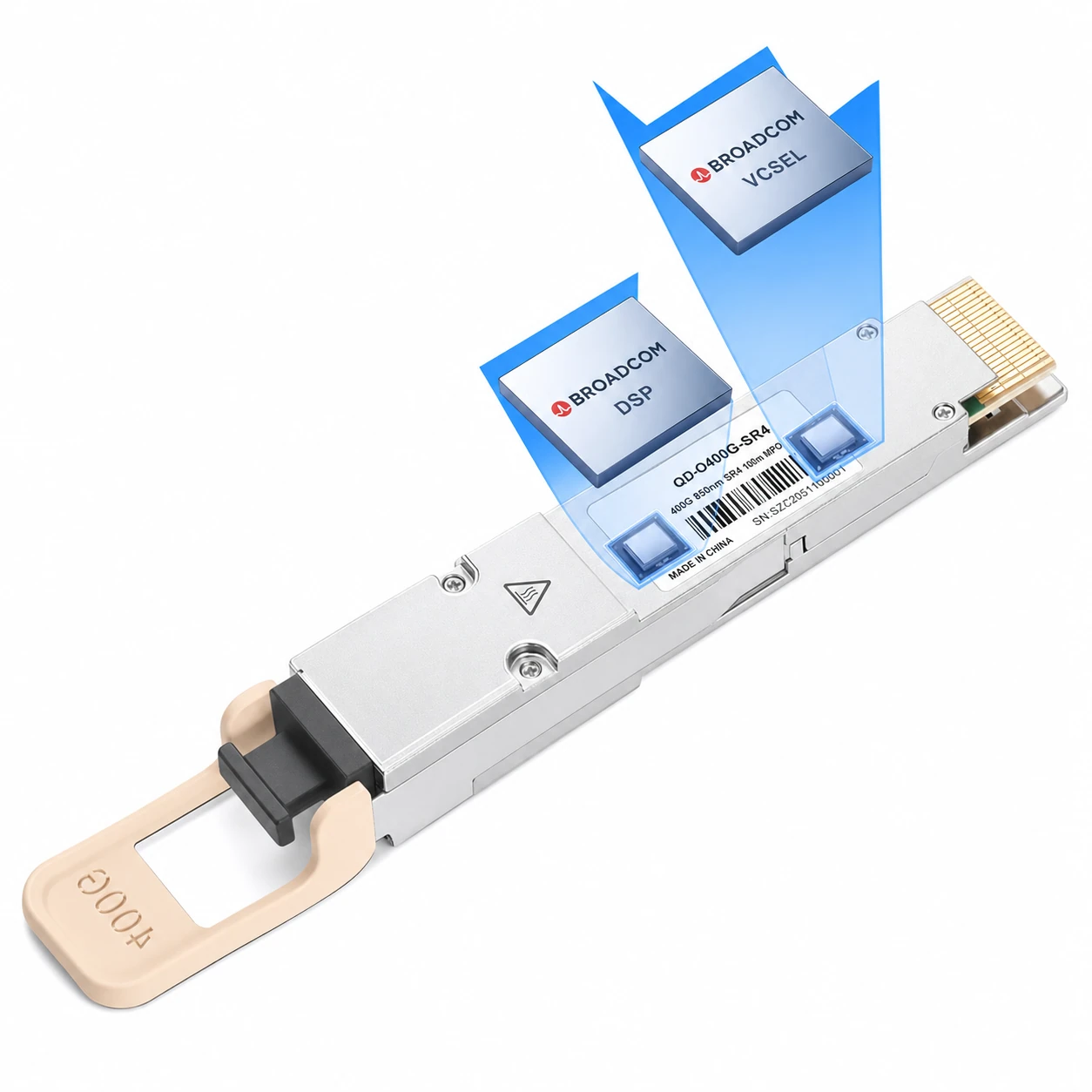
QDD-400G-VSR4 QDD-400G-VR4 400G QSFP-DD VR4 50m
400G QSFP-DD VR4 50m Transceiver with 5 exact SKU options. Confirm the host, port and firmware before quotation.
400G QSFP-DD commercial optics
Compare each 400G QSFP-DD transceiver family for multimode, parallel single-mode and duplex single-mode links, then resolve host coding and an exact SKU.
Exact catalog records
Use product identity, structured specifications and exact SKU records. Search results do not assert live stock or host acceptance.
400G QSFP-DD VR4 50m Transceiver with 5 exact SKU options. Confirm the host, port and firmware before quotation.
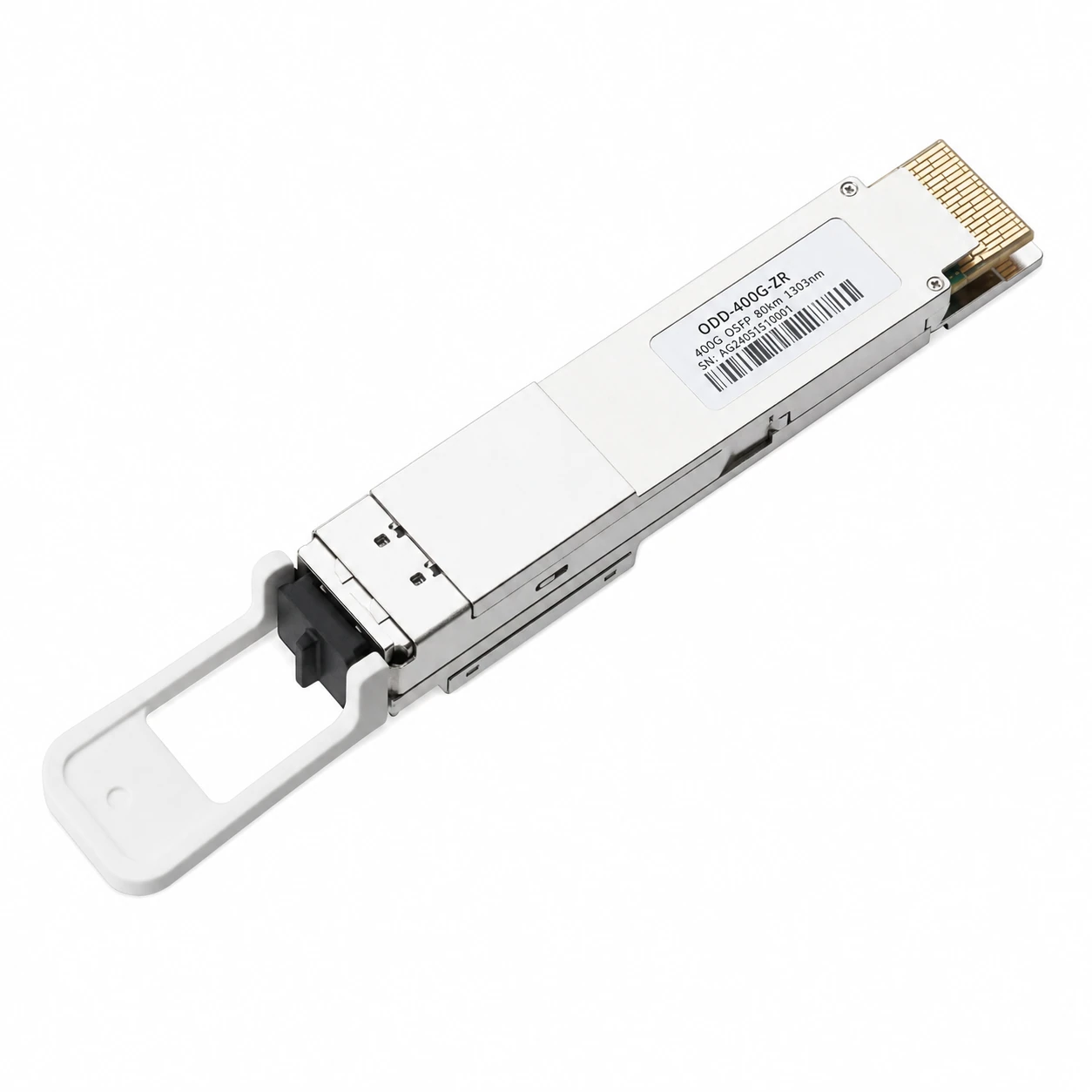
400G QSFP-DD Transceiver with 6 exact SKU options. Confirm the host, port and firmware before quotation.
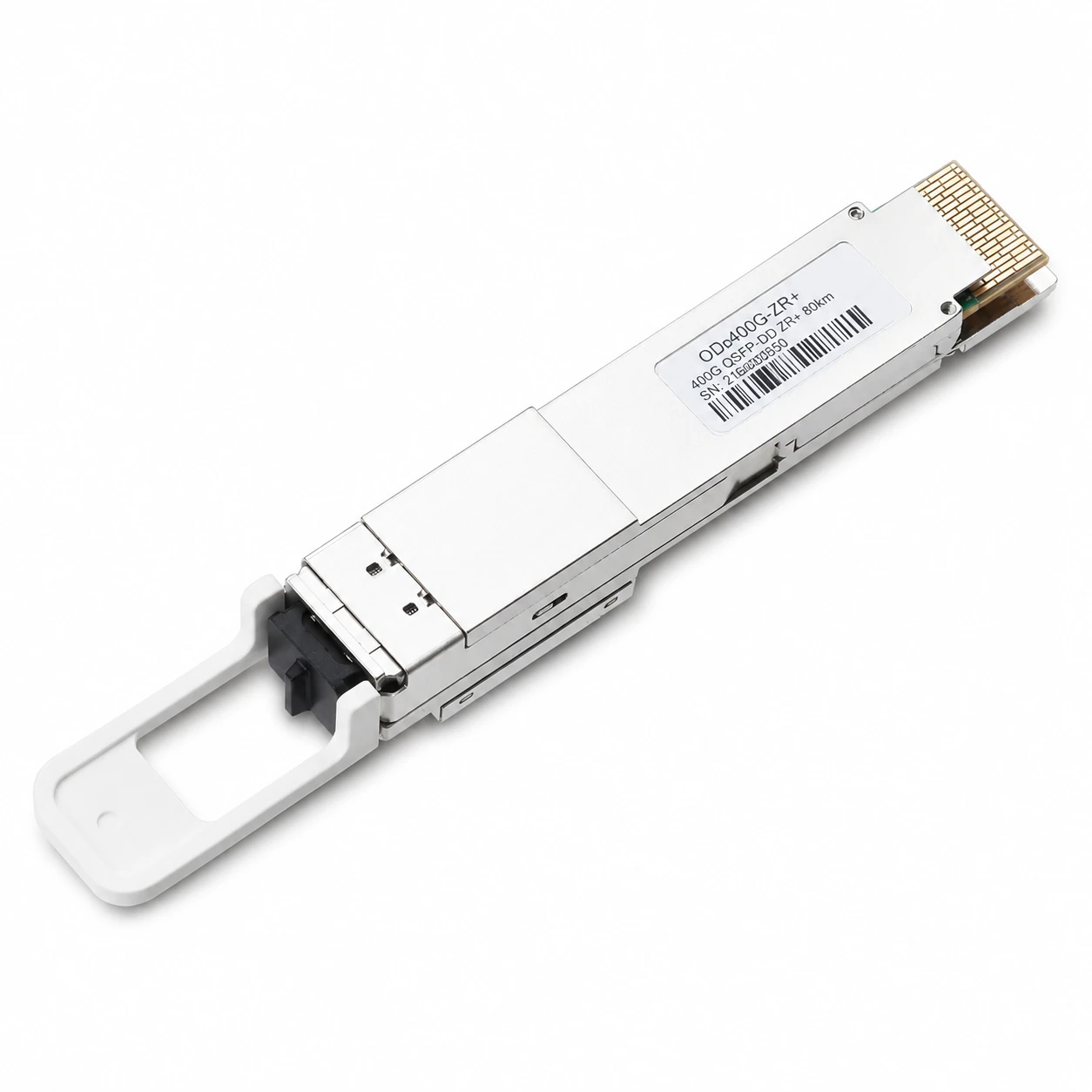
400G QSFP-DD Transceiver with 7 exact SKU options. Confirm the host, port and firmware before quotation.
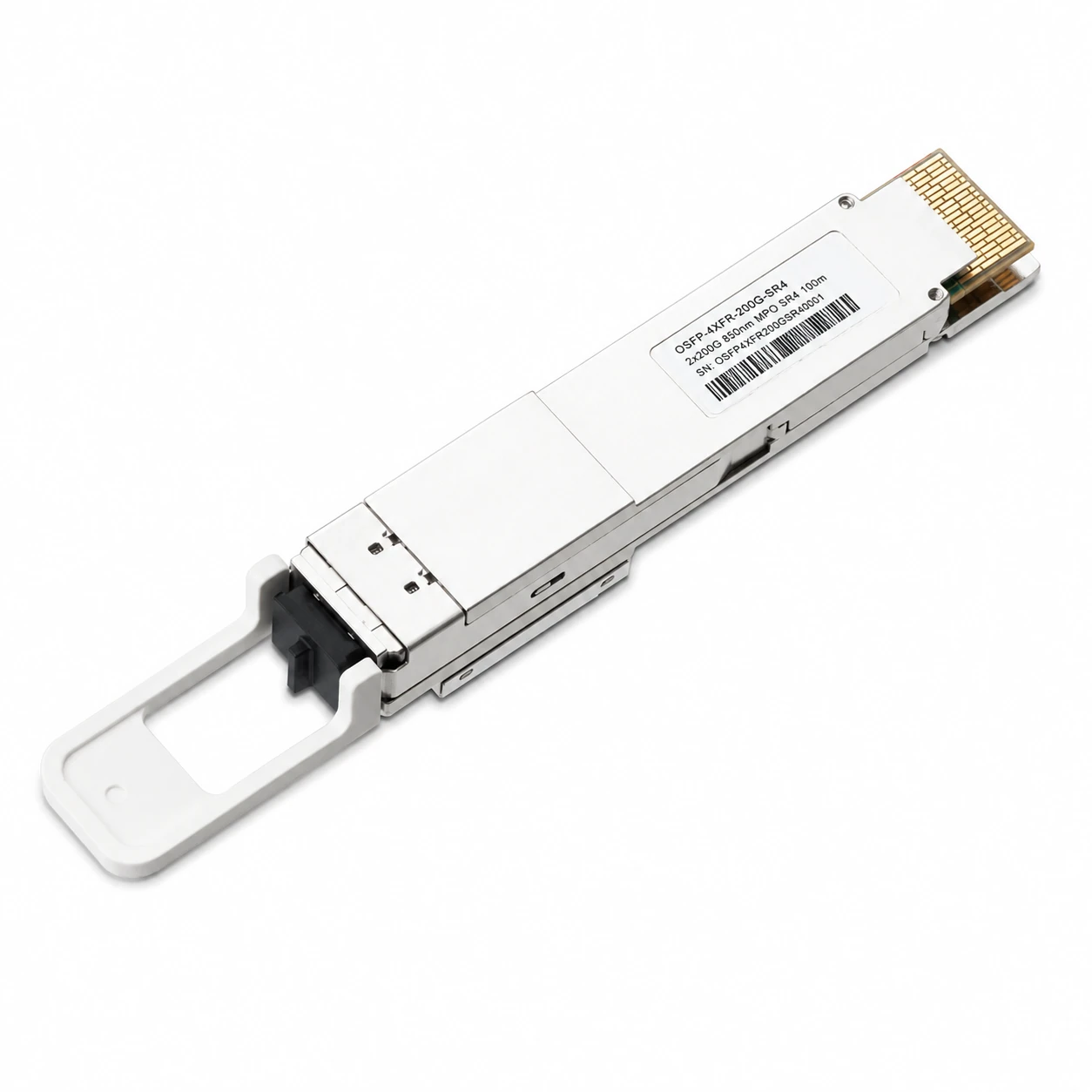
400G QSFP-DD Transceiver with 5 exact SKU options. Confirm the host, port and firmware before quotation.
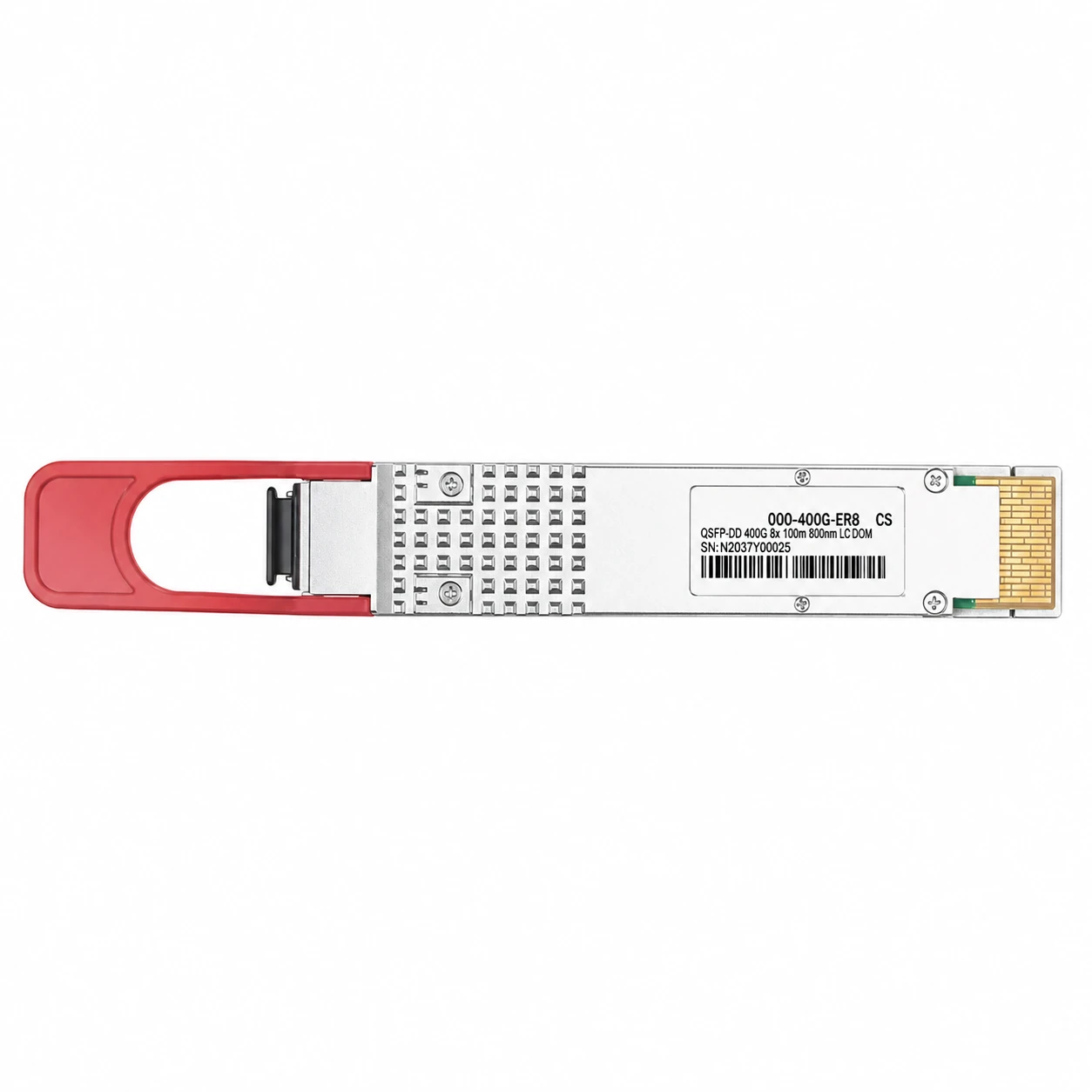
400G QSFP-DD ER4 40km Transceiver with 5 exact SKU options. Confirm the host, port and firmware before quotation.
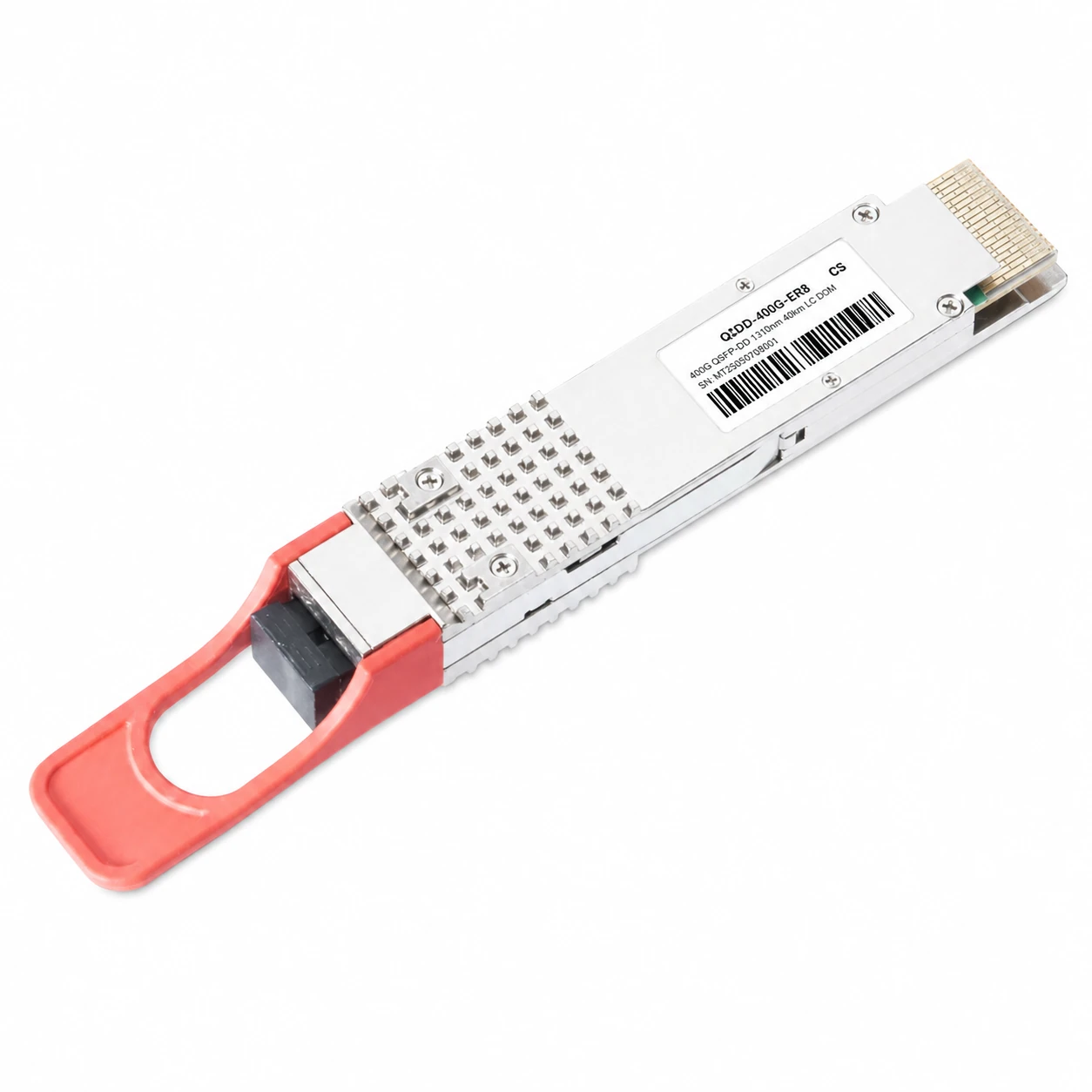
400G QSFP-DD ER8 40km Transceiver with 6 exact SKU options. Confirm the host, port and firmware before quotation.
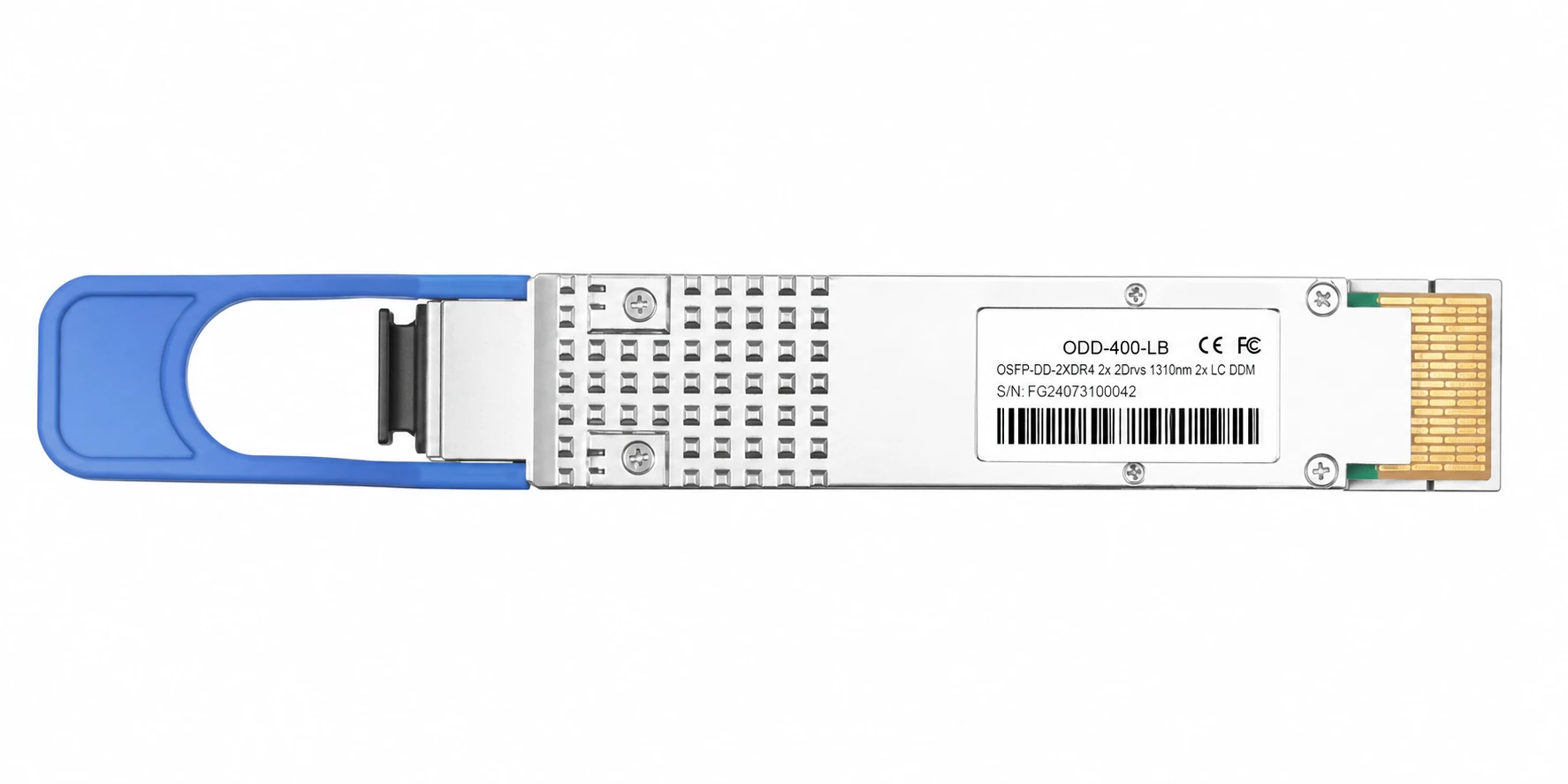
400G QSFP-DD LR8 10km Transceiver with 5 exact SKU options. Confirm the host, port and firmware before quotation.
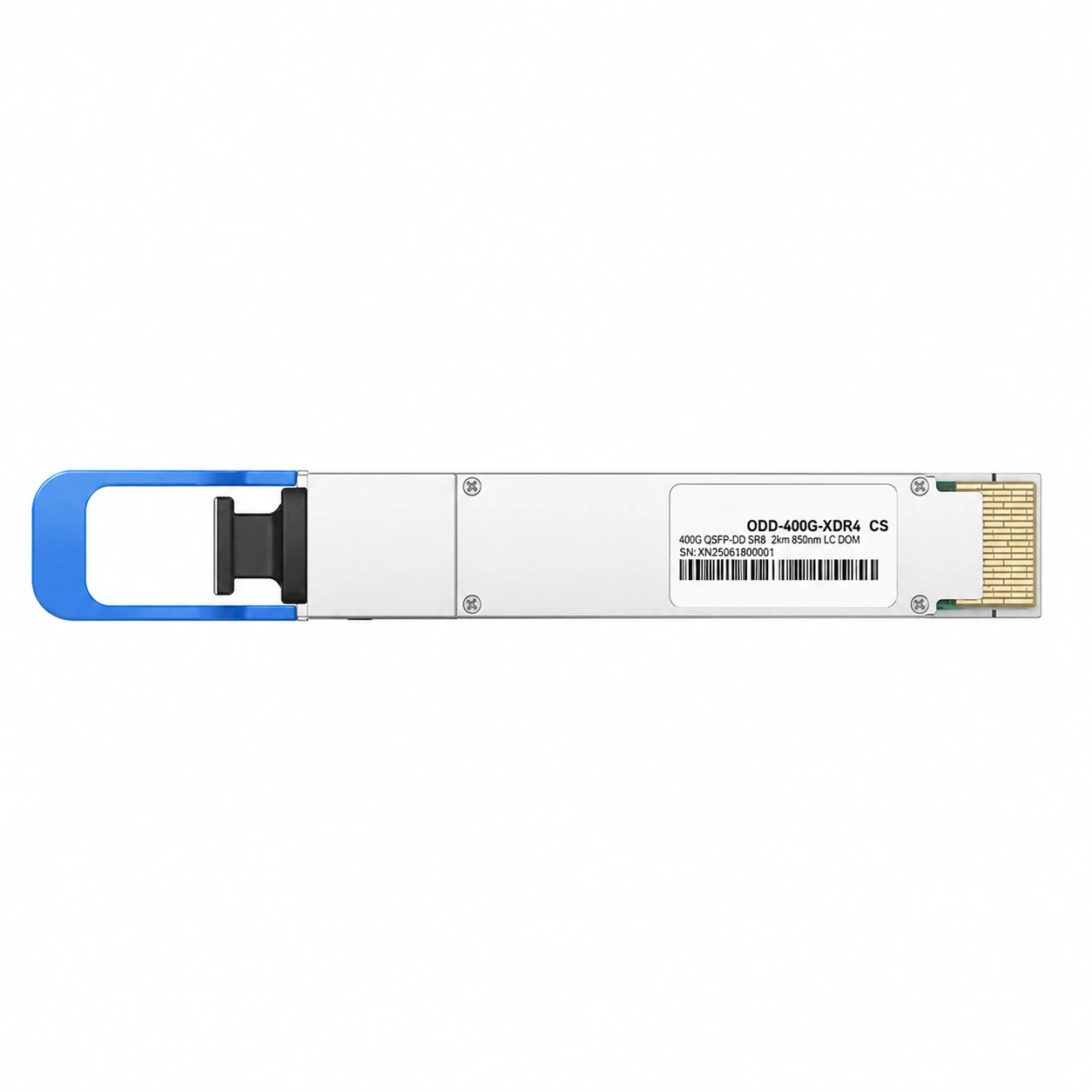
400G QSFP-DD XDR4 2km Transceiver with 6 exact SKU options. Confirm the host, port and firmware before quotation.
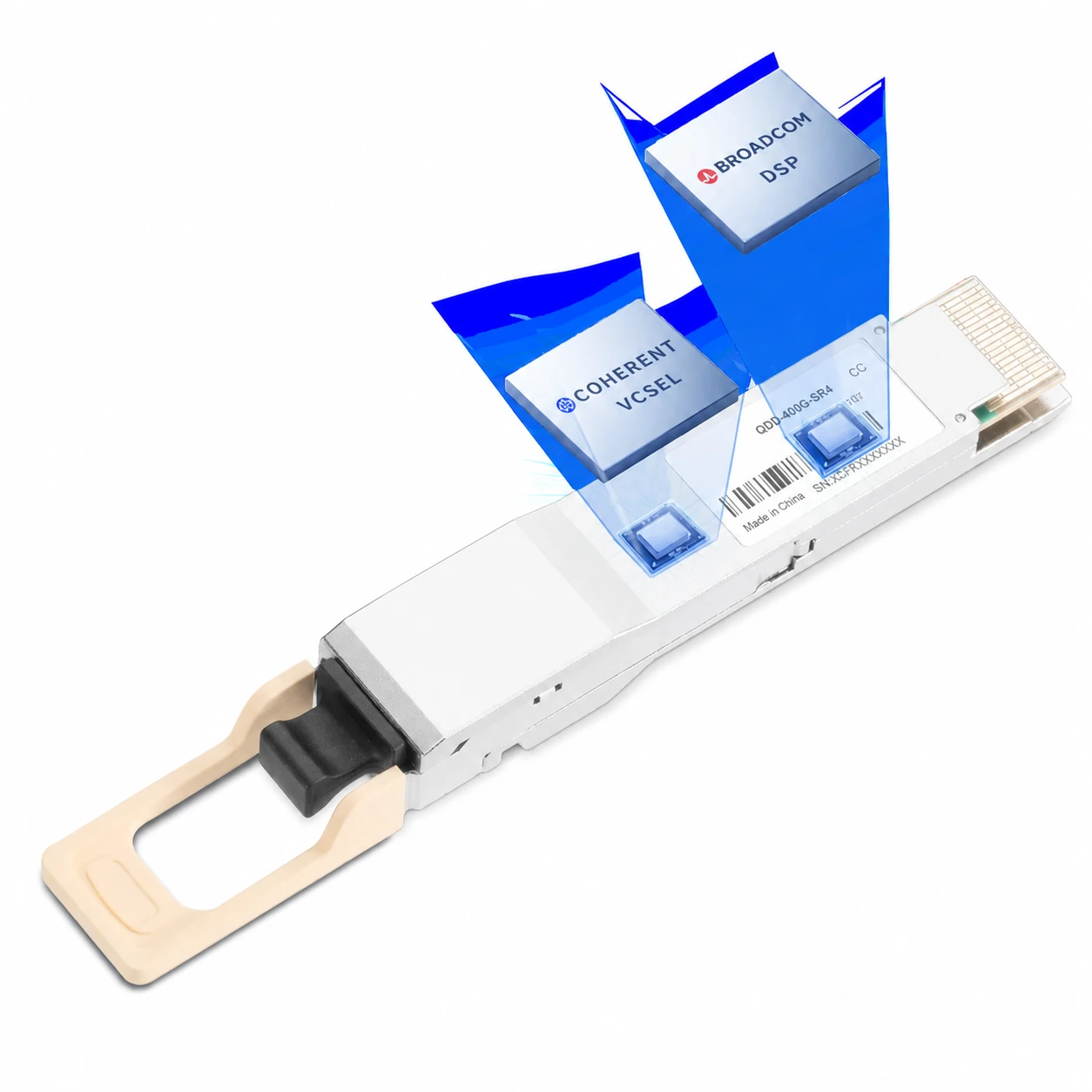
400G QSFP-DD SR4 100m Transceiver with 6 exact SKU options. Confirm the host, port and firmware before quotation.
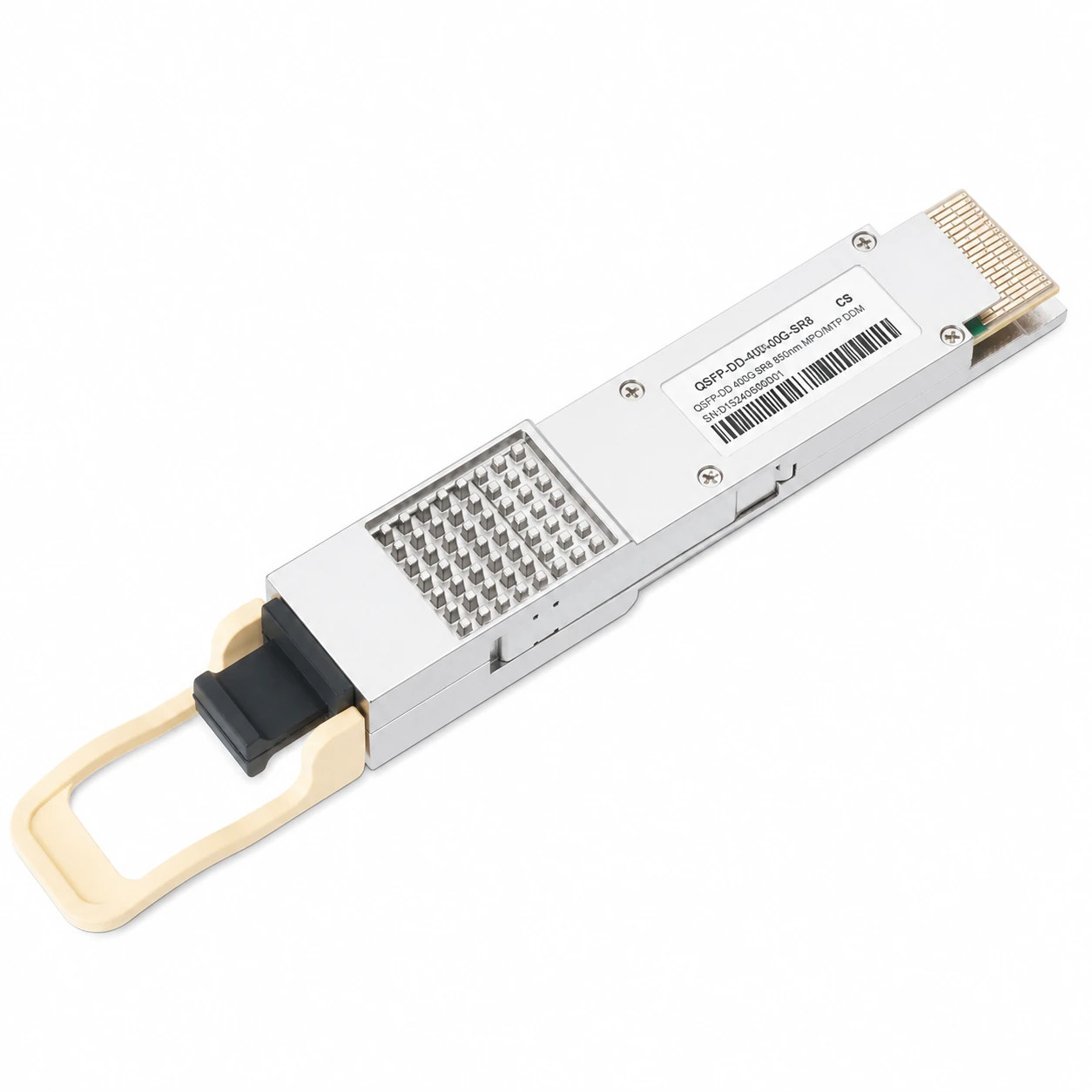
400G QSFP-DD SR8 100m Transceiver with 6 exact SKU options. Confirm the host, port and firmware before quotation.
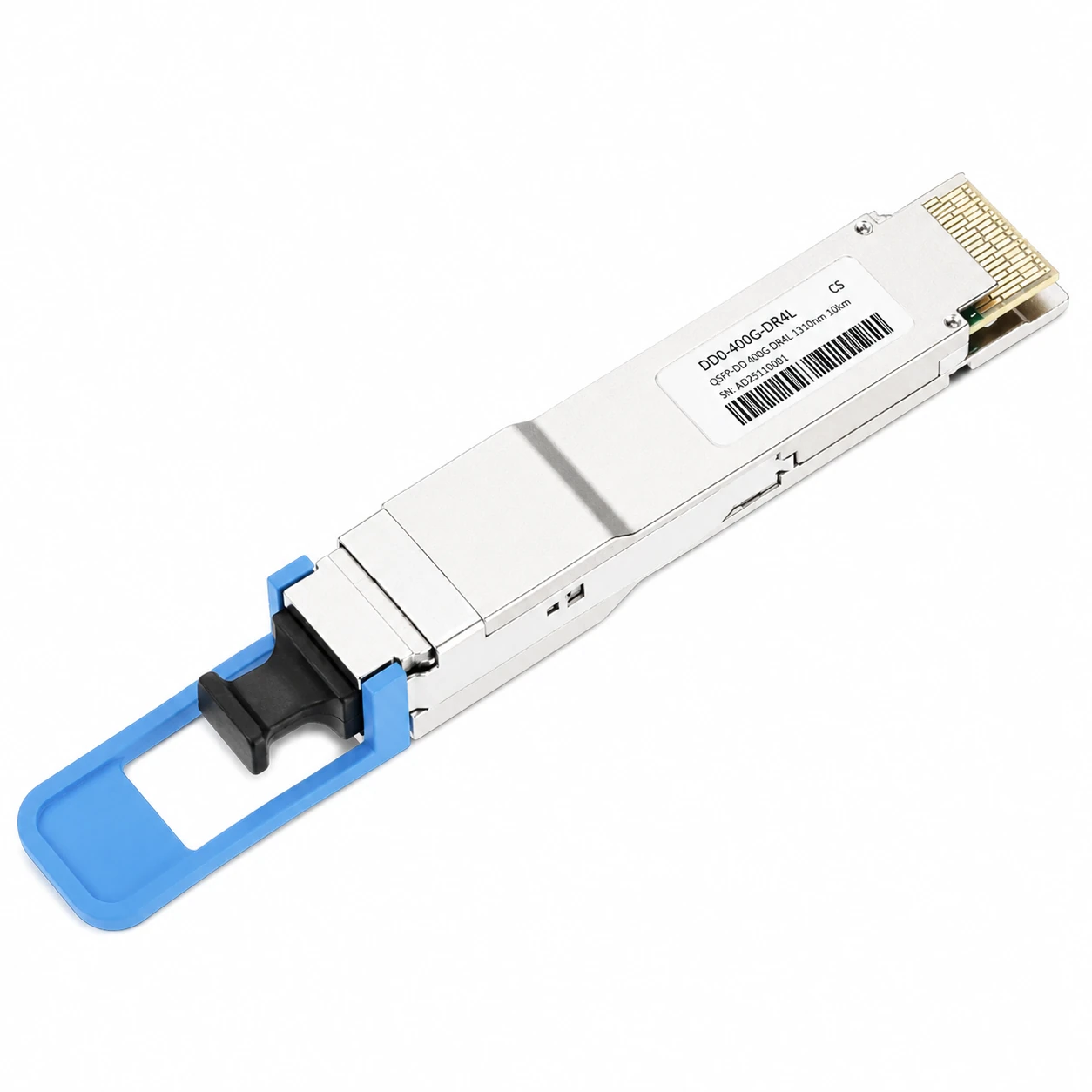
400G QSFP-DD DR4 500m Transceiver with 6 exact SKU options. Confirm the host, port and firmware before quotation.
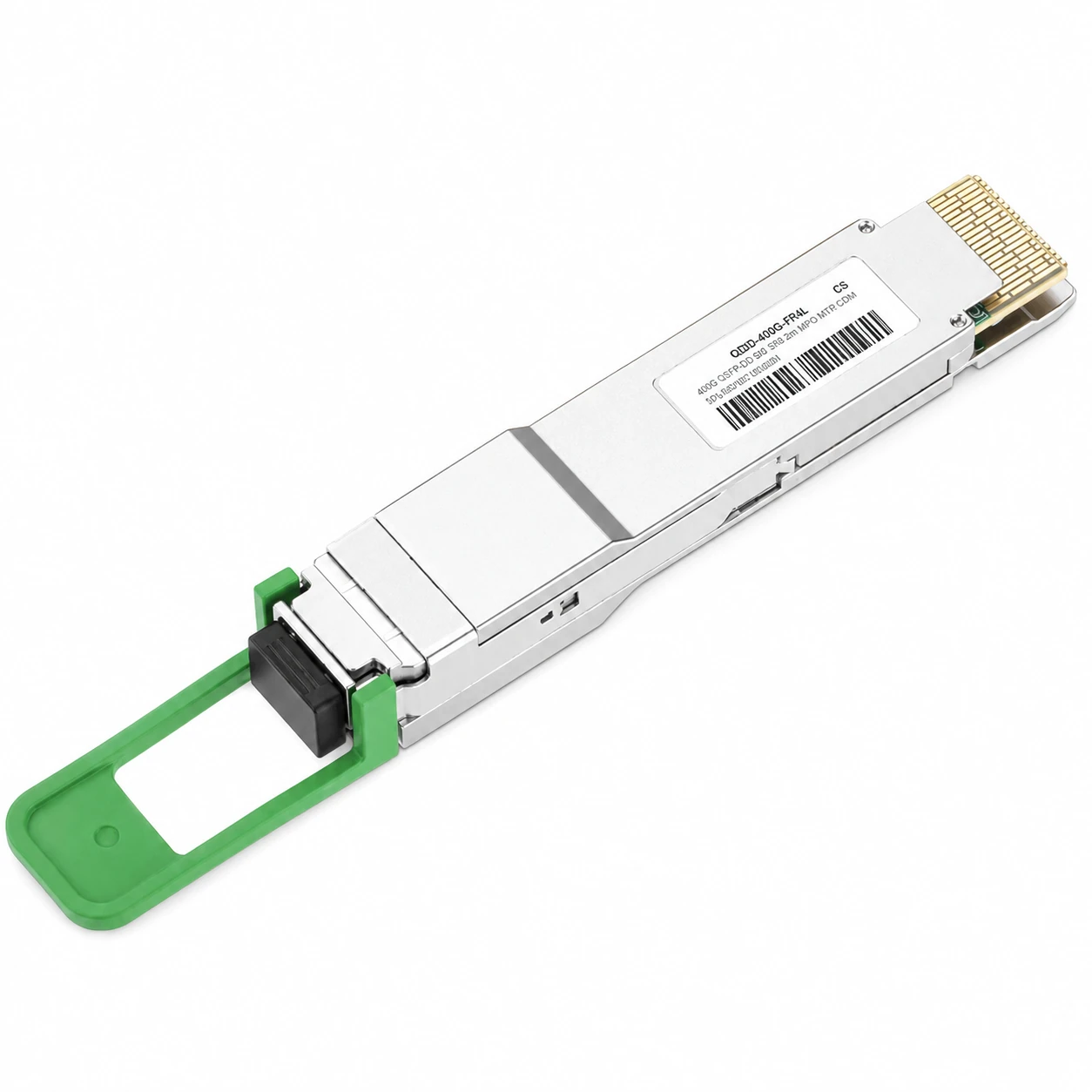
400G QSFP-DD FR4 2km Transceiver with 6 exact SKU options. Confirm the host, port and firmware before quotation.
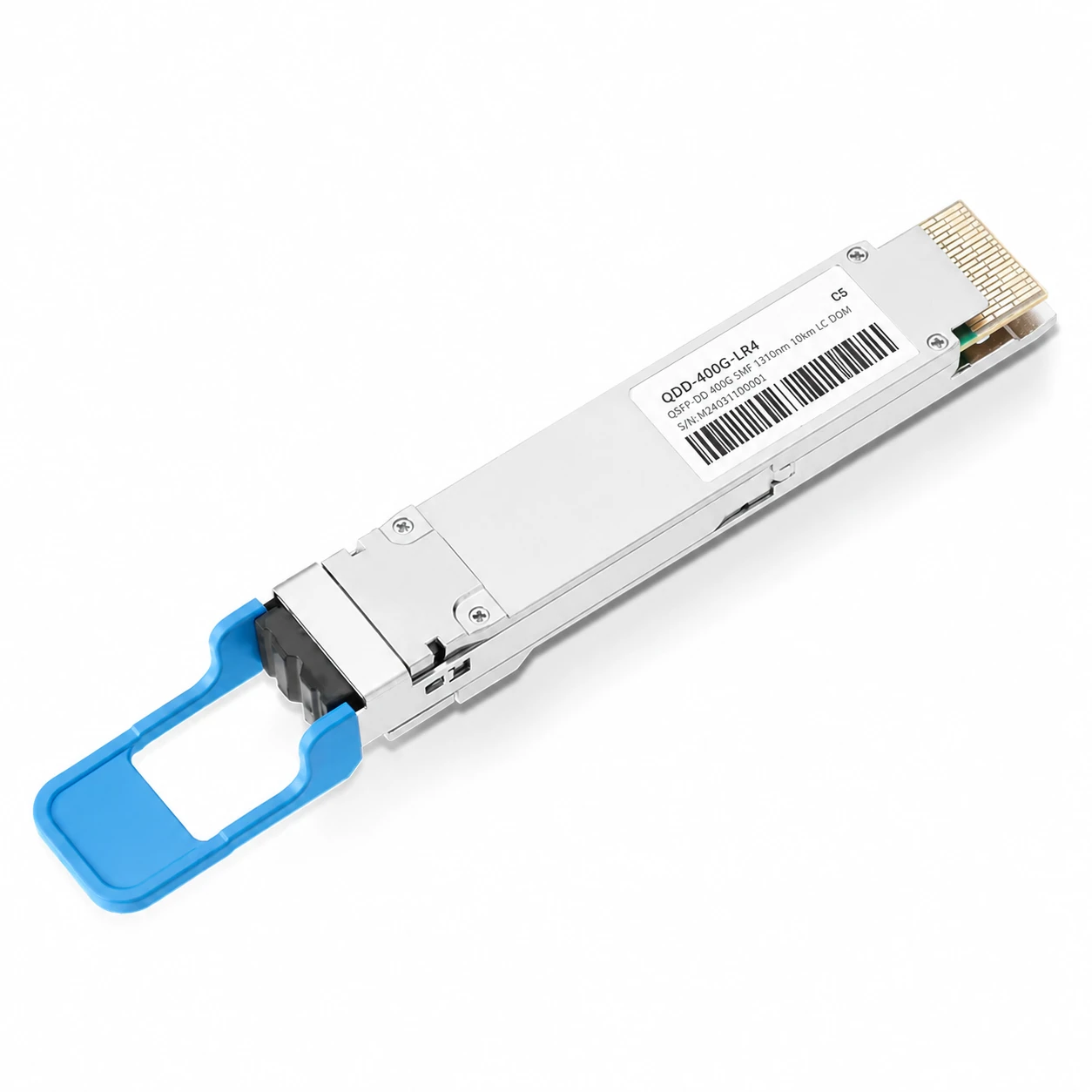
400G QSFP-DD LR4 10km Transceiver with 6 exact SKU options. Confirm the host, port and firmware before quotation.
13 product families available; page 1 of 1
Commercial overview
400G QSFP-DD covers links from short multimode rows to parallel single-mode data-center paths and duplex-fiber campus or DCI-edge routes. PhotonVerge separates these architectures so a buyer can shortlist by actual connector, route and peer optic rather than by rate alone. A review should include the host and line card, network OS, FEC, link distance, fiber plant, quantity and delivery location. The resulting offer can identify the exact candidate SKU and any technical or documentary assumptions still requiring approval.
Product taxonomy
Nominal scheme names guide the shortlist; exact reach and interoperability come from the selected SKU and peer-end review.
Parallel multimode for controlled short-reach data-center fiber plants.
Parallel single-mode for short data-center links and selected breakout designs.
Duplex single-mode for lower fiber count and medium data-center reach.
Duplex single-mode for longer campus or data-center routes requiring a link budget.
Extended direct-detect reach requiring careful loss, dispersion and peer support review.
Featured family routes
These links open exact family records; use the full browser for the complete set.
QDD-400G-VSR4 QDD-400G-VR4 400G QSFP-DD VR4 50m5 exact SKU optionsArista QDD-400G-ZR 400G QSFP-DD Transceiver6 exact SKU optionsQDD-400G-ZRP QDD-400G-ZR+ 400G QSFP-DD Transceiver7 exact SKU optionsDP04QSDD-HE0 QDD-400G-ZRP+ 400G QSFP-DD Transceiver5 exact SKU optionsNVIDIA/Mellanox QDD-400G-ER4 400G QSFP-DD ER45 exact SKU optionsNVIDIA/Mellanox QDD-400G-ER8 400G QSFP-DD ER86 exact SKU optionsBuyer checklist
These factors determine whether two candidates solve the same link.
Record platform, line card, software and the exact QSFP-DD cage.
Define switch-to-switch, switch-to-router, breakout or transport handoff.
Select SR8, DR4, FR4, LR4 or an approved extended-reach option.
Confirm MPO or LC, multimode or single-mode, polarity, panels and patch points.
Use a link budget for longer paths and document operating margin.
Identify the far-end optic and required error-correction mode.
Check module power class against cage and airflow limits.
Specify identity, DOM, alarms, labels and spares policy.
Decision matrix
Confirm exact values on the candidate SKU; the table shows which project variable changes.
| Scheme family | Fiber pattern | Common buying reason | Critical confirmation |
|---|---|---|---|
| SR8 | Parallel multimode | Short links in a known multimode plant | Fiber grade, MPO interface and polarity |
| DR4 | Parallel single-mode | Short single-mode links or selected breakouts | Peer lane mapping and connector |
| FR4 | Duplex single-mode | Reduced fiber count over data-center reaches | Link budget, FEC and peer PMD |
| LR4 | Duplex single-mode | Longer campus or facility routes | Total loss and operating margin |
| ER4-class | Duplex single-mode | Extended direct-detect routes | Exact standard, receive limits and peer support |
Engineering boundary
A compatible code can address host identification, but it does not convert DR4 into FR4 or establish a working link to an unknown peer optic. Record the host policy and software separately from connector, wavelength, FEC and link-budget details. Quantity rollout should follow a sample test in the intended topology.
Application planning
The correct optical family follows the route and network role.
Short, repeatable links where port policy and structured fiber must stay consistent.
Upgrades that may retain or replace an existing MPO or duplex plant.
Facility and campus links where duplex fiber and loss margin guide selection.
Longer direct-detect routes that require a documented budget and clear coherent boundary.
Supply coordination
The process keeps technical acceptance tied to the quoted item.
Capture both platforms, ports and software releases.
Record distance, fiber, connectors, panels and estimated loss.
Choose the scheme and FEC expected by both ends.
Specify OEM target, monitoring and labeling needs.
Test the exact SKU in the frozen host configuration.
Set quantity, destination, schedule, documents and warranty terms.
Buyer validation
Available evidence is confirmed for the selected SKU and should be paired with the buyer's own host result.
Technical resources
Use the relevant guide to resolve a specific decision; product-specific evidence is confirmed for the quoted SKU.
Buyer questions
Start with the fiber plant and peer optic. DR4 is a parallel single-mode architecture, while FR4 uses multiplexed wavelengths over duplex single-mode fiber. Connector, fiber count, lane mapping and breakout options differ. Then compare route loss, FEC, host support and operating practice. The right answer is the one that fits the complete link with acceptable margin.
Only if the structured product record explicitly identifies QSFP-DD; a text mention of QSFP or 400G is not enough. QSFP112 and QSFP-DD can have different host electrical expectations. The collection filter must exclude conflicting form factors, and a buyer should follow the exact cage and interface named by the platform documentation.
Use a link budget whenever the route includes multiple connectors, cassettes, splices, uncertain plant condition or a longer-reach optic. Add the transmitter minimum, receiver limits, measured or estimated path loss and a practical operating margin. Nominal distance alone cannot show whether the installed route is safe, especially for LR4 or extended-reach candidates.
Yes for a new host, software release, coding target or significant deployment. Confirm recognition, diagnostics, traffic stability, FEC counters, temperature behavior and the actual peer link. Record the exact SKU, serials, host software and port settings so the result can support later deliveries rather than remaining an informal one-time test.
Provide the exact host and remote endpoint, software, port mode, FEC, optical scheme, connector, fiber type, route length or loss, quantity, delivery address and required schedule. Include any OEM part number, coding target, genuine-brand-only rule, sample criteria, warranty expectation, labeling or document requirement before the offer is prepared.
Procurement guide
First prove the QSFP-DD cage, software policy and port mode. Then identify the optical PMD, connector, route and peer optic. Combining these as one compatibility claim hides the most common failure points.
Document multimode or single-mode fiber, connector count, panels, polarity and route loss. DR4, FR4 and LR4 are not pricing tiers; they represent different physical paths and operating constraints.
A QSFP-DD shell does not make coherent and direct-detect optics interchangeable. If the project calls for 400ZR or OpenZR+, route it to a separate transport review with the necessary line-system and host requirements.
Test the exact SKU in the intended host and peer topology, document configuration and counters, and retain the result. Only then compare quantity price, delivery, documents, labeling and warranty on like-for-like candidates.
Structured B2B request
Send the two endpoints and fiber route so the shortlist can be limited to the correct direct-detect scheme and exact SKU.
No live-stock, lead-time or compatibility commitment is inferred from this page. The selected SKU and commercial terms are confirmed in the written offer.
B2B inquiry desk
Use the message field for part number, host model, firmware, reach, quantity, destination and required documents.