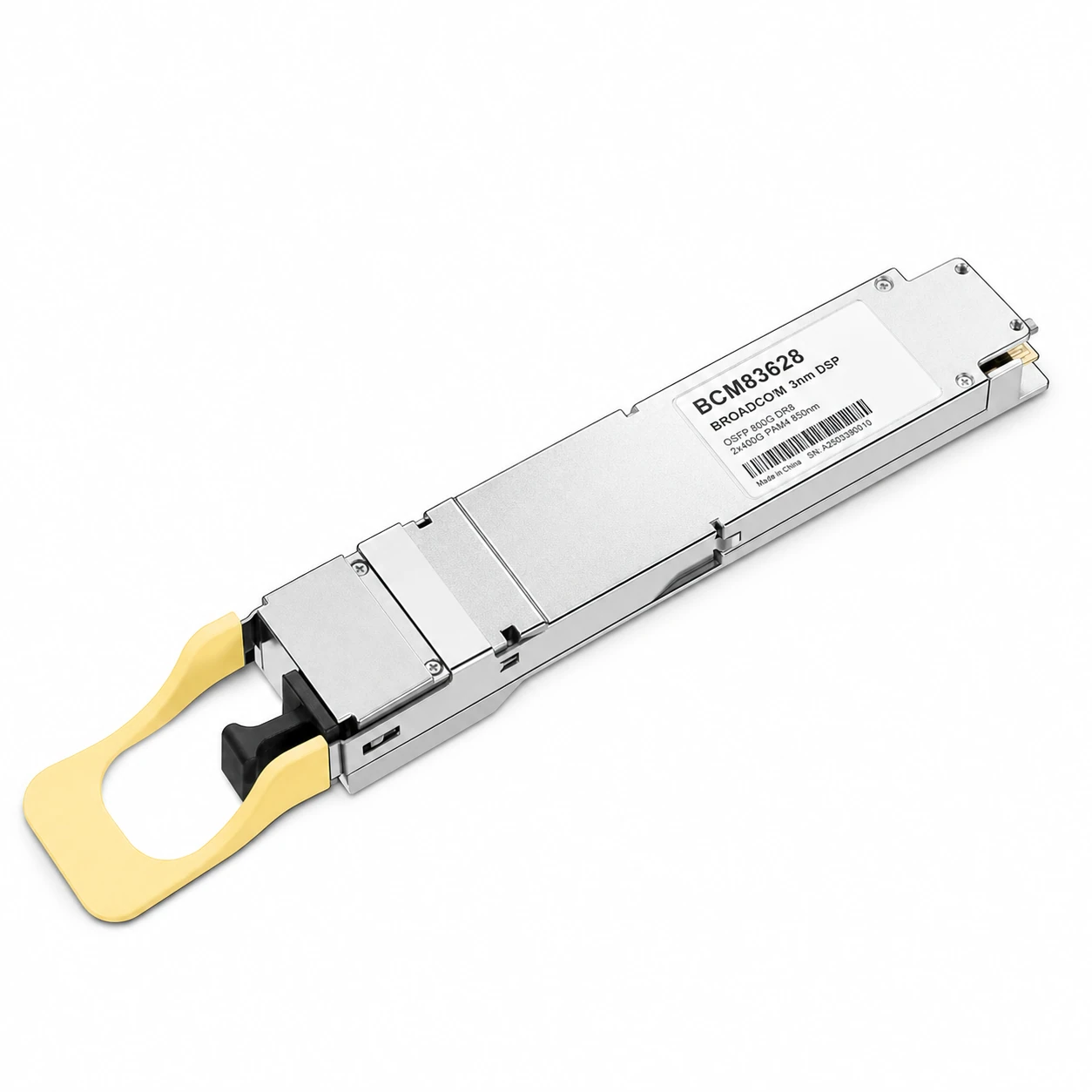
980-SIAY0-00XM00 OSFP-800G-DR4H 800G OSFP224 DR4H
800G OSFP224 DR4H 500m Transceiver with 1 exact SKU option. Confirm the host, port and firmware before quotation.
800G OSFP optics for accelerated networks
Shortlist an 800G OSFP transceiver by exact port type, optical scheme, reach, connector and coding target before requesting a commercial offer.
Exact catalog records
Use product identity, structured specifications and exact SKU records. Search results do not assert live stock or host acceptance.
800G OSFP224 DR4H 500m Transceiver with 1 exact SKU option. Confirm the host, port and firmware before quotation.
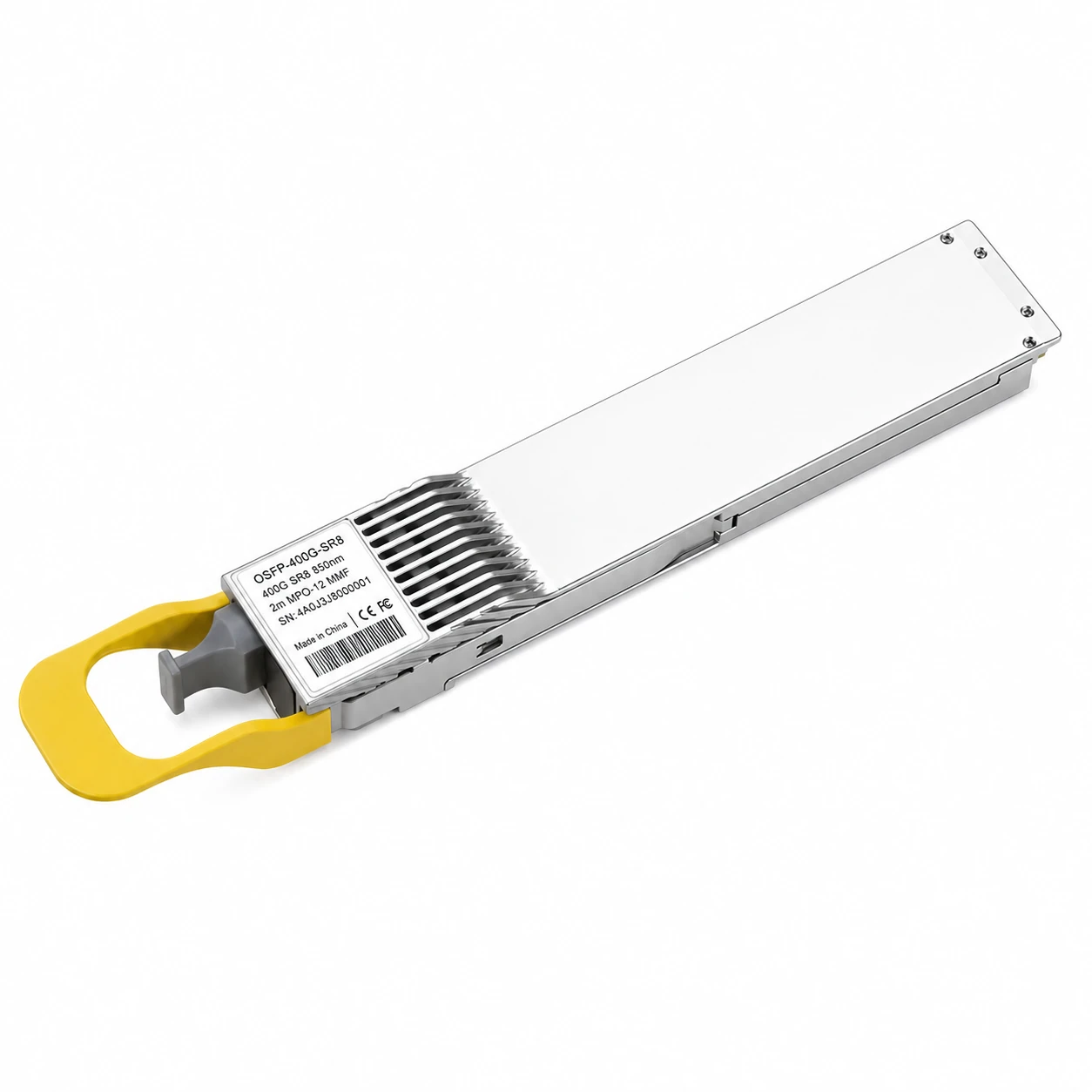
800G OSFP DR4 500m Transceiver with 1 exact SKU option. Confirm the host, port and firmware before quotation.
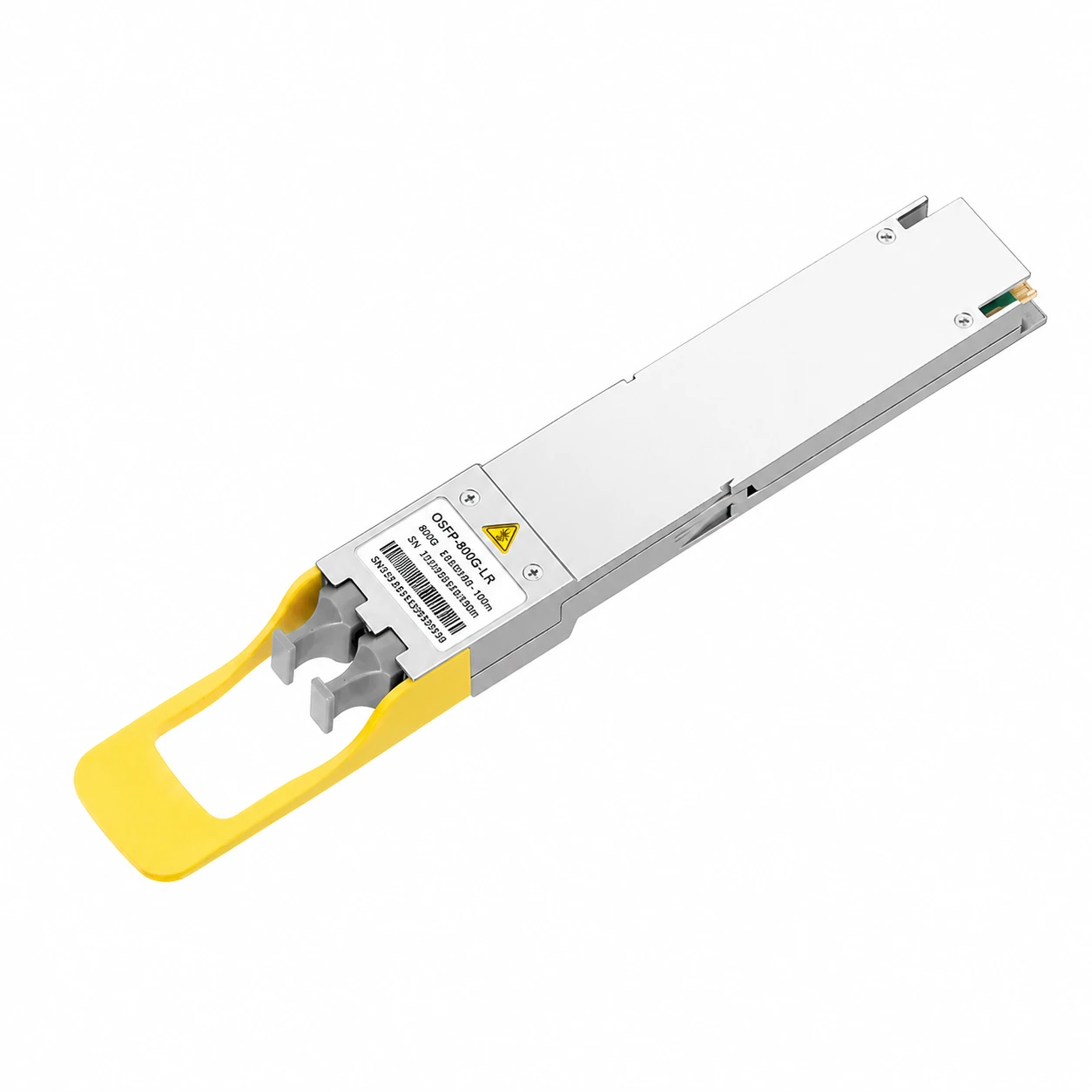
800G Twin-port OSFP 2xDR4 500m Transceiver with 1 exact SKU option. Confirm the host, port and firmware before quotation.
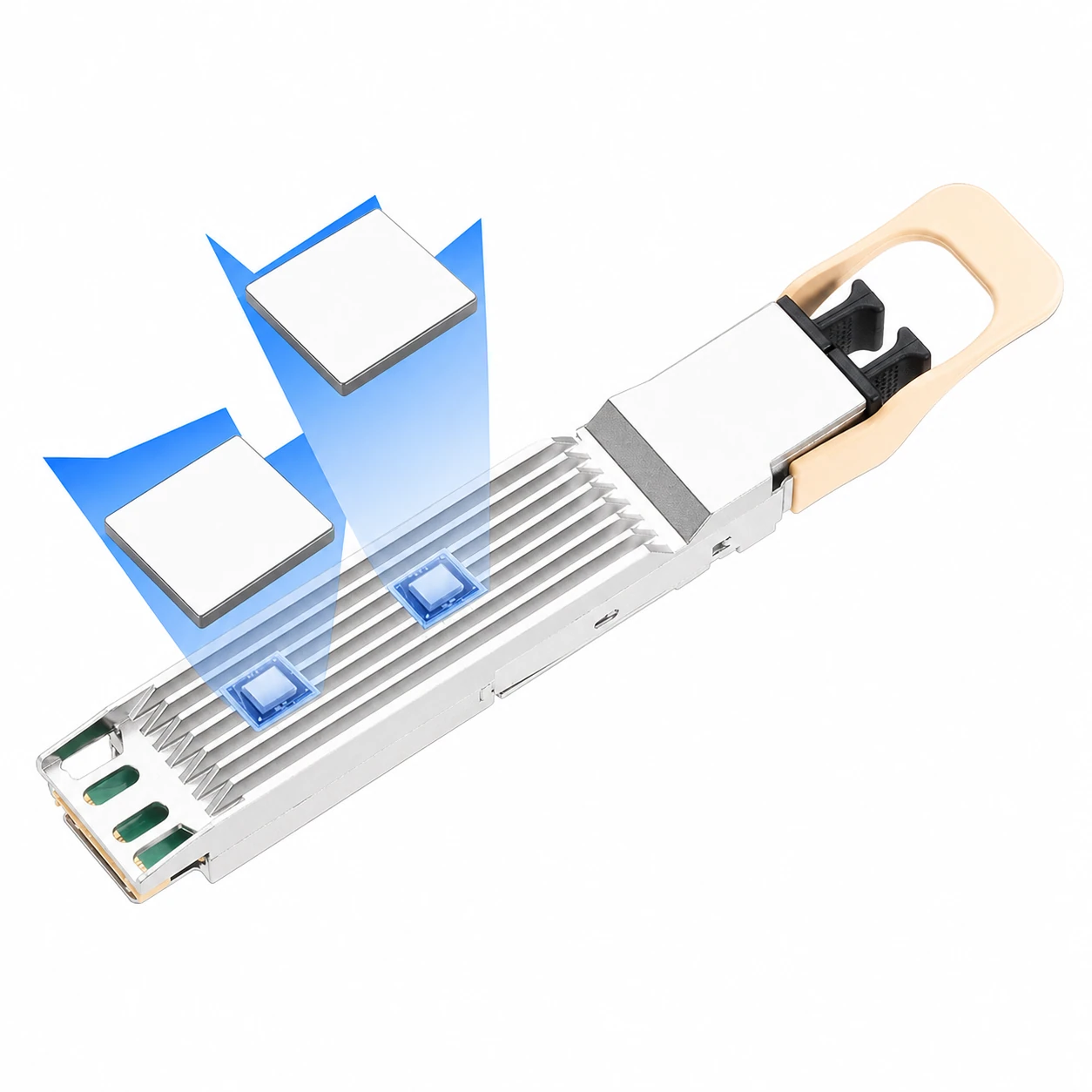
800G Twin-port OSFP 2xSR4H 30m (OM3) /50m (OM4) Transceiver with 2 exact SKU options. Confirm the host, port and firmware before quotation.
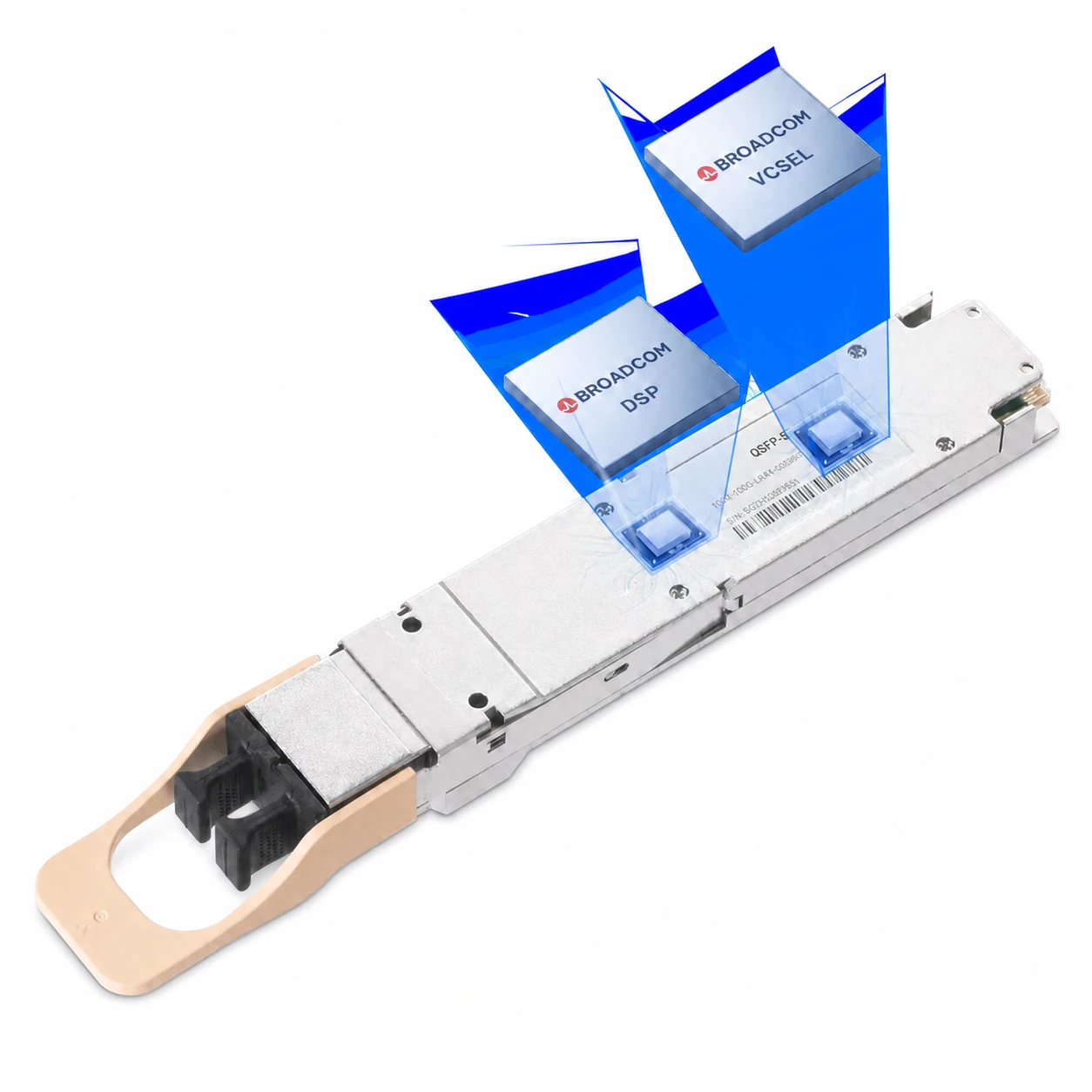
800G Twin-port OSFP 2xSR4 30m (OM3) /50m (OM4) Transceiver with 1 exact SKU option. Confirm the host, port and firmware before quotation.
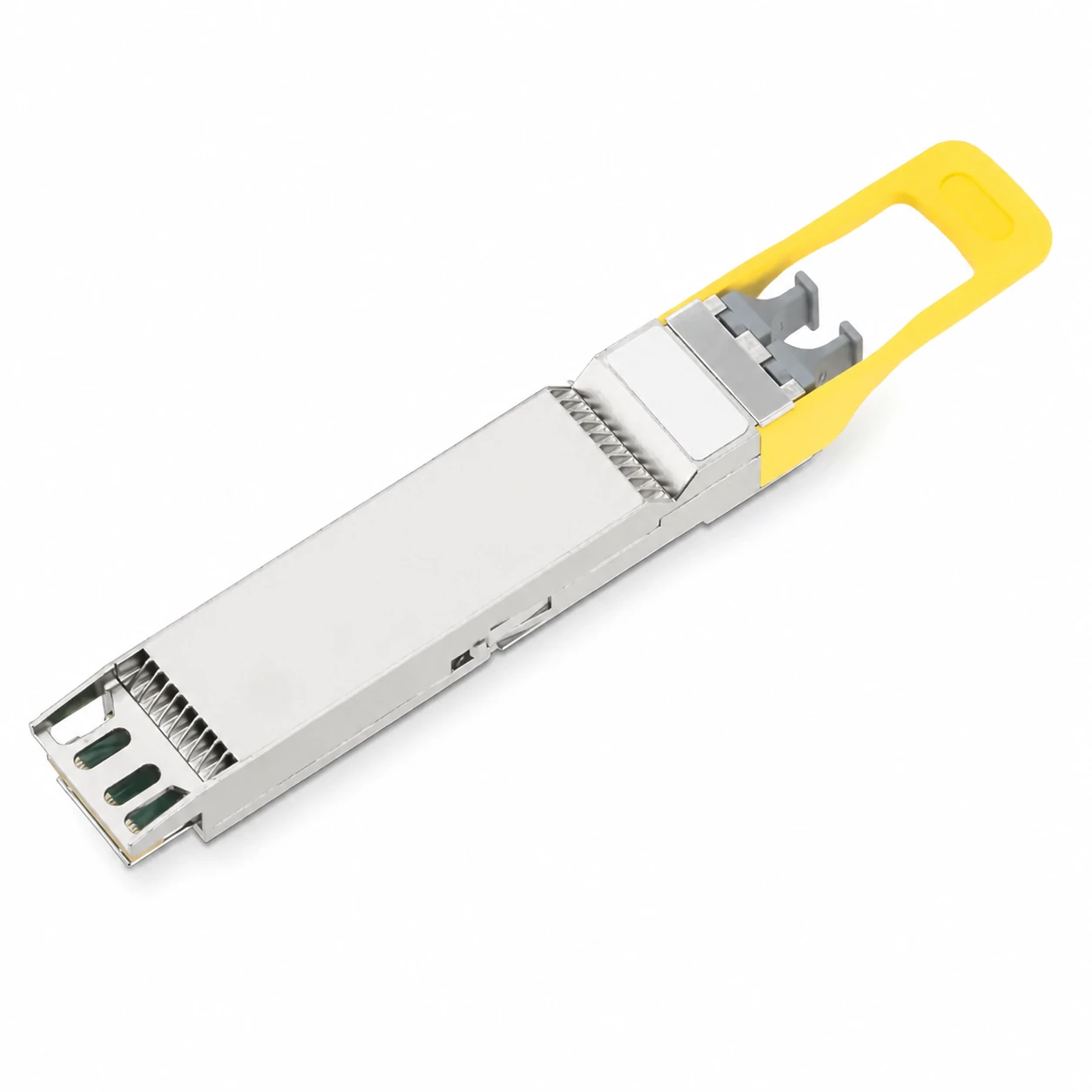
800G Twin-port OSFP 2xDR4 500m Transceiver with 1 exact SKU option. Confirm the host, port and firmware before quotation.
800G Twin-port OSFP 2xDR4H 100m Transceiver with 1 exact SKU option. Confirm the host, port and firmware before quotation.
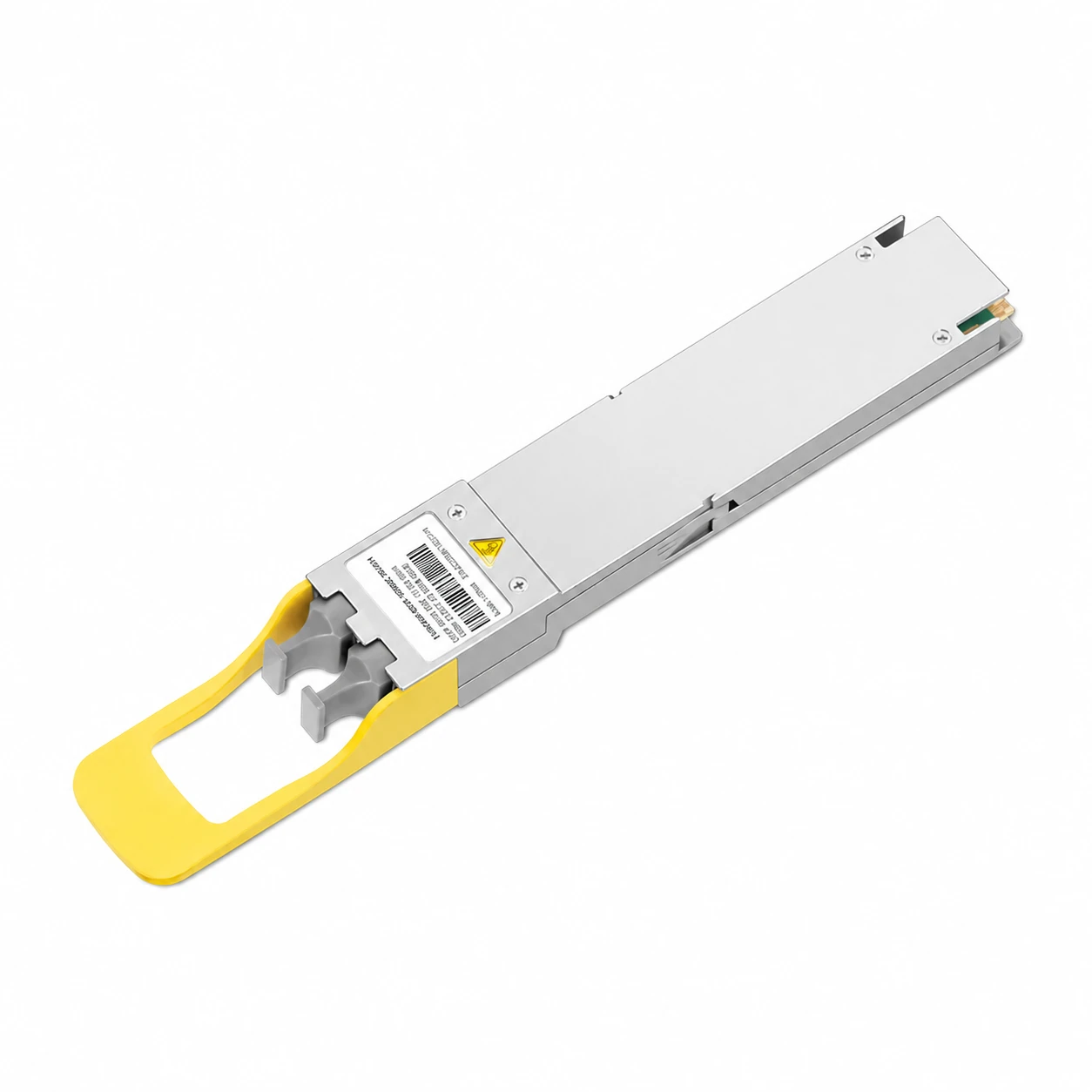
800G Twin-port OSFP 2xDR4 100m Transceiver with 1 exact SKU option. Confirm the host, port and firmware before quotation.
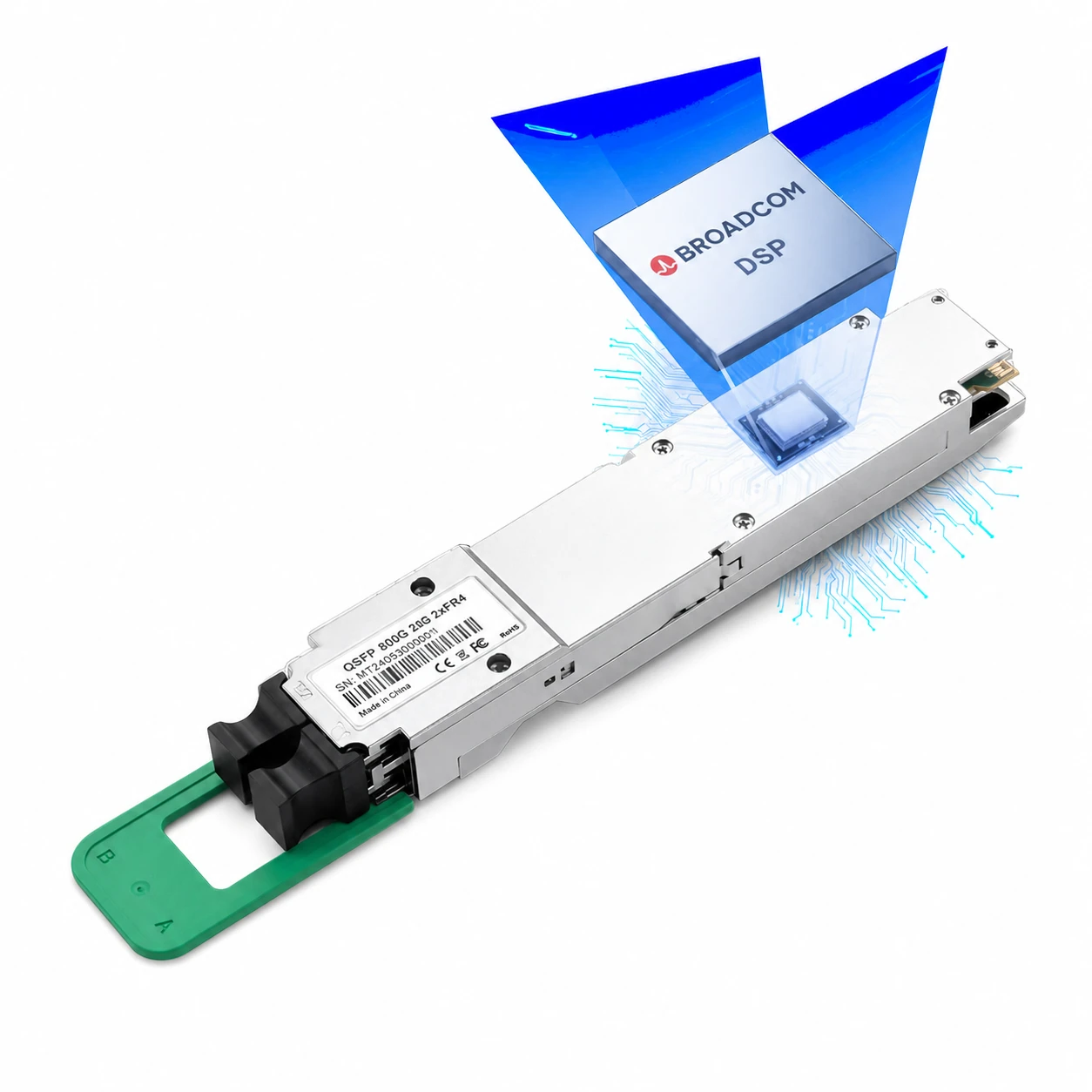
800G Twin-port OSFP 2xFR4H 2km Transceiver with 1 exact SKU option. Confirm the host, port and firmware before quotation.
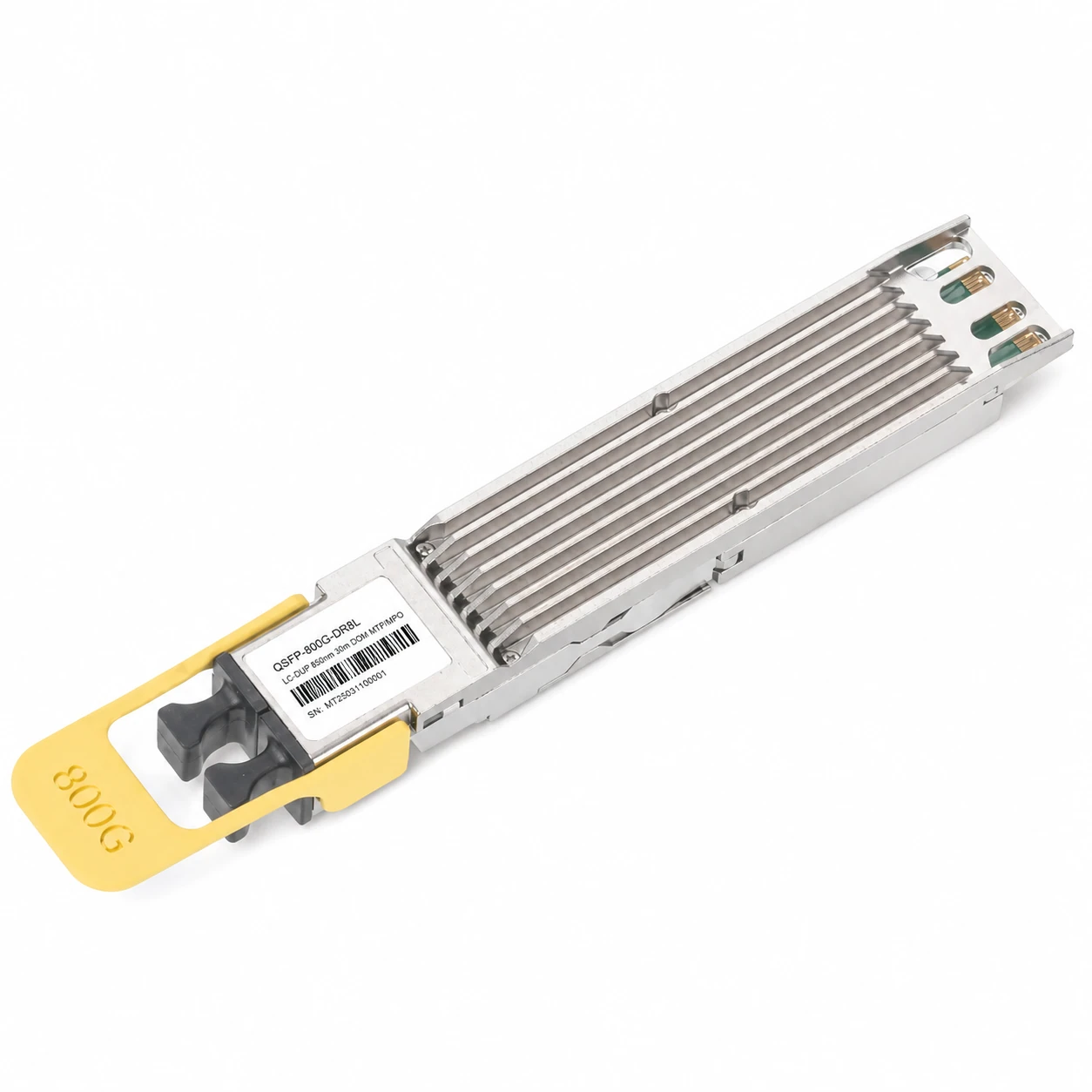
800G Twin-port OSFP 2xDR4 500m Transceiver with 4 exact SKU options. Confirm the host, port and firmware before quotation.
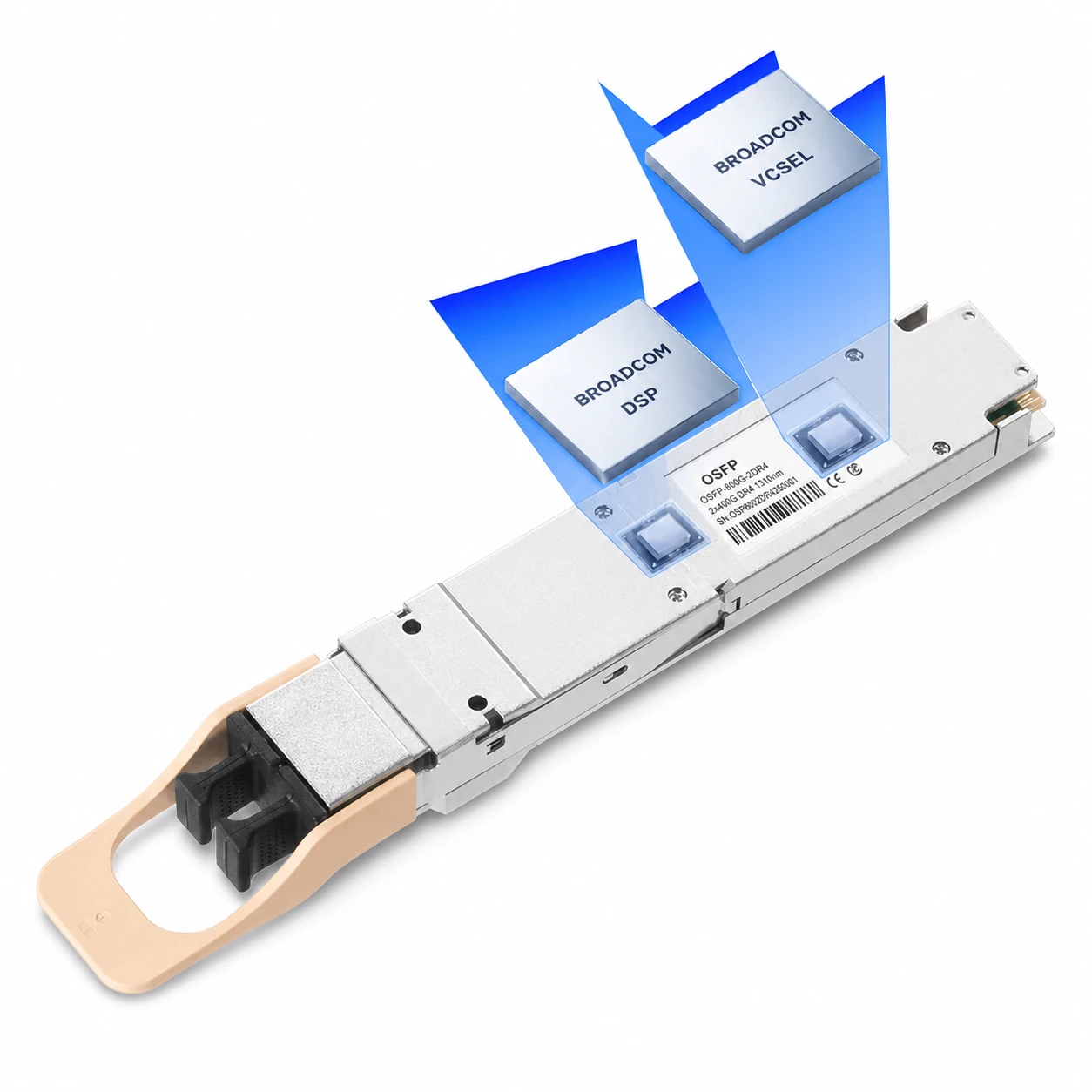
800G Twin-port OSFP 2xVR4 50m Transceiver with 1 exact SKU option. Confirm the host, port and firmware before quotation.
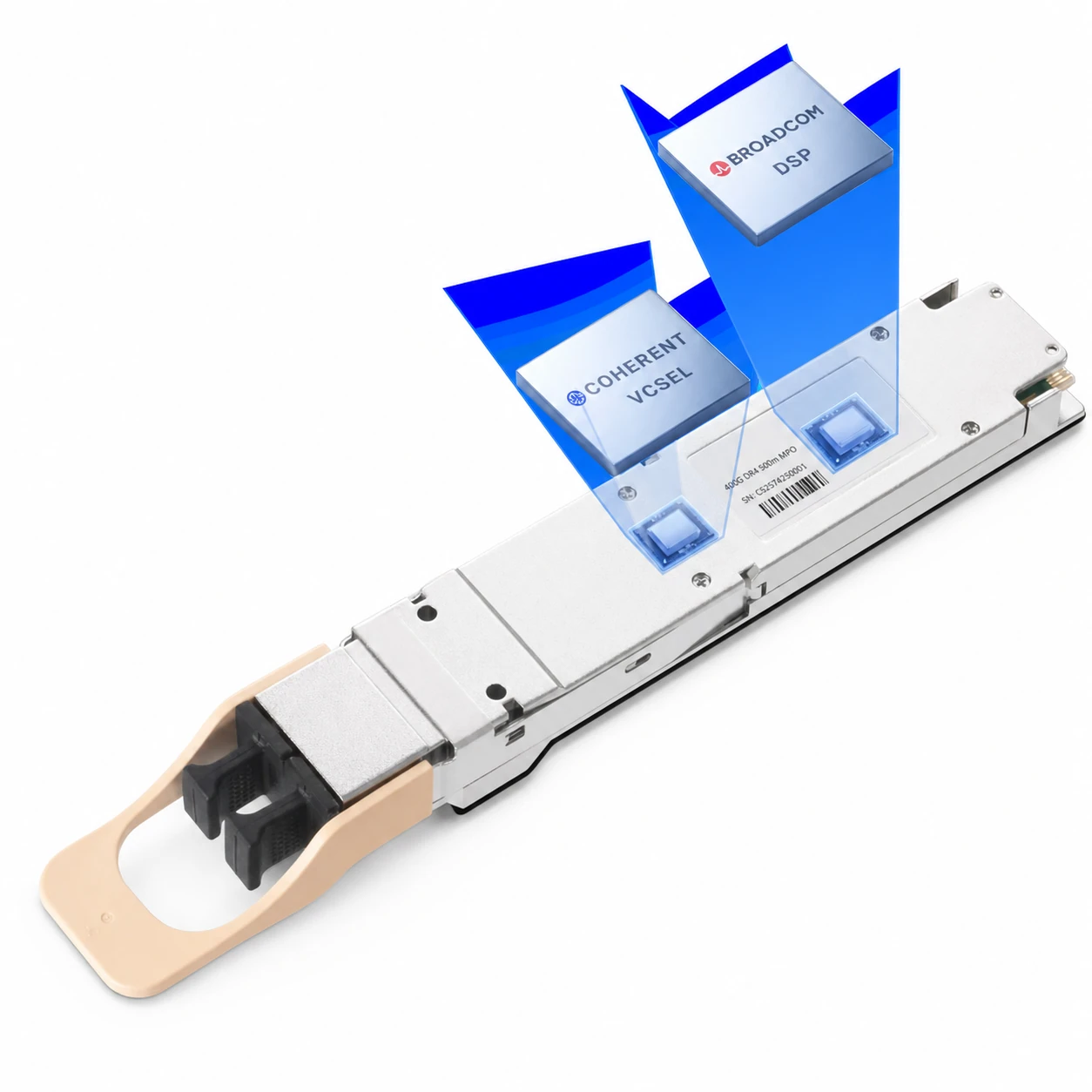
800G Twin-port OSFP 2xSR4 100m Transceiver with 1 exact SKU option. Confirm the host, port and firmware before quotation.
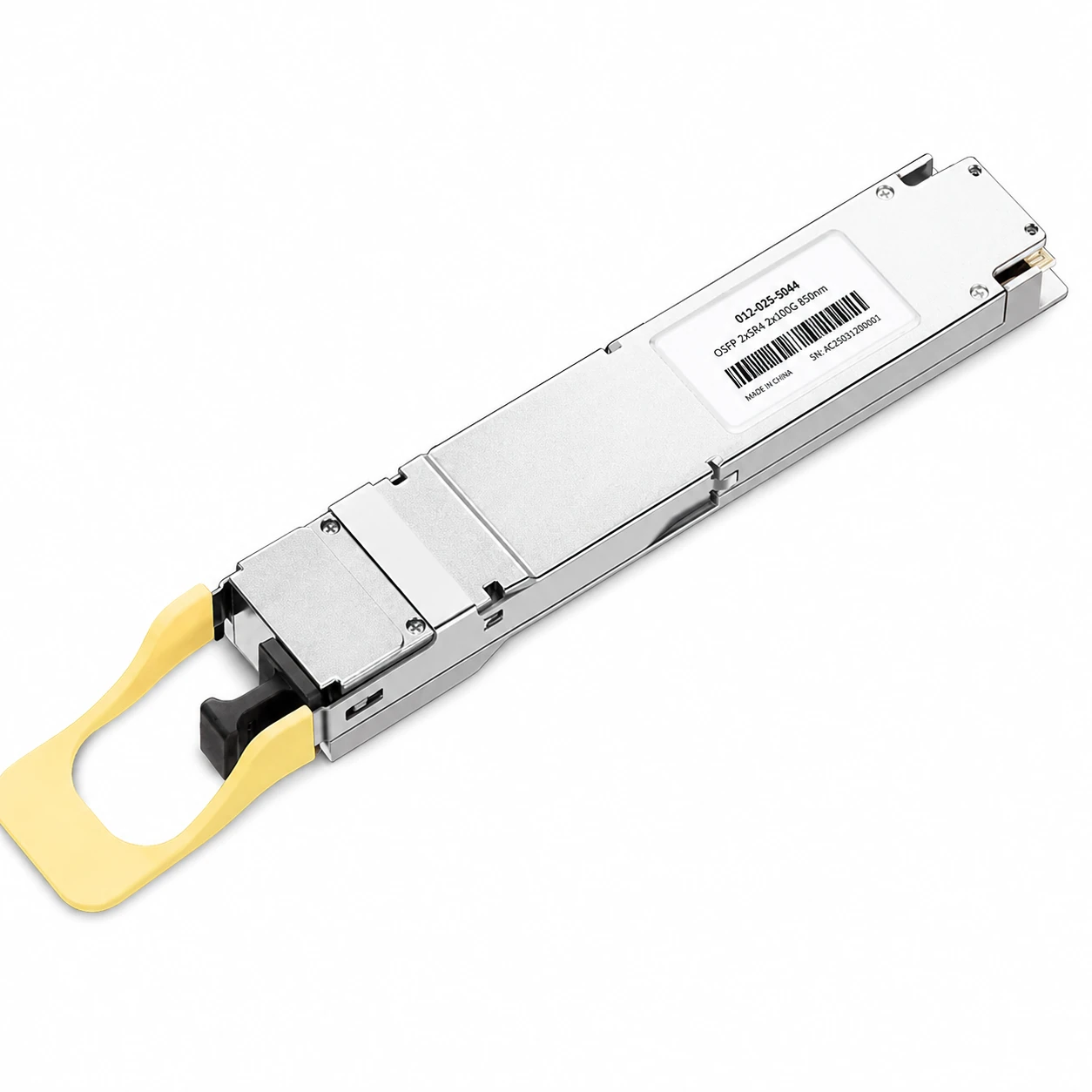
800G OSFP112 DR4 500m Transceiver with 1 exact SKU option. Confirm the host, port and firmware before quotation.
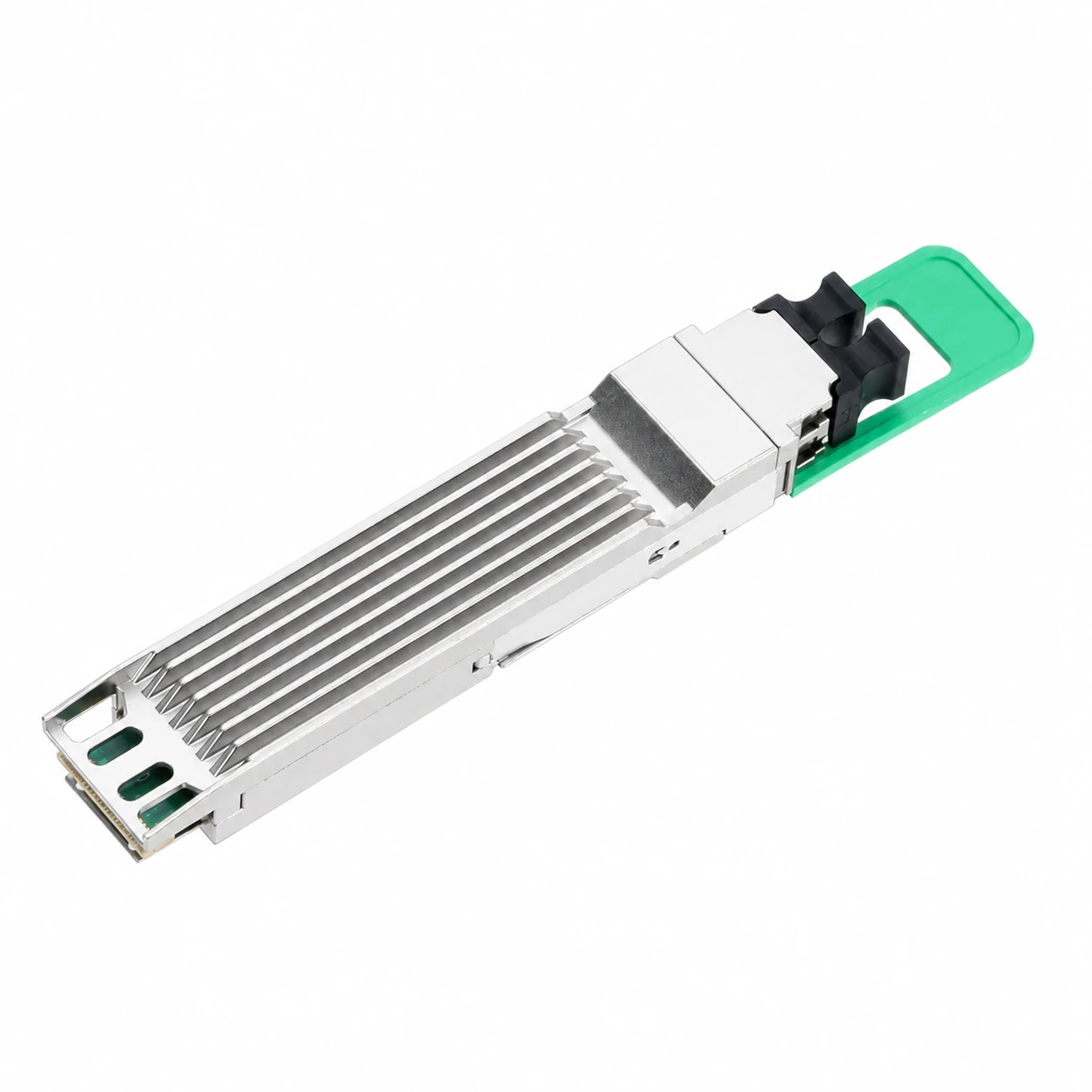
800G Twin-port OSFP 2xFR4L 6km Transceiver with 2 exact SKU options. Confirm the host, port and firmware before quotation.
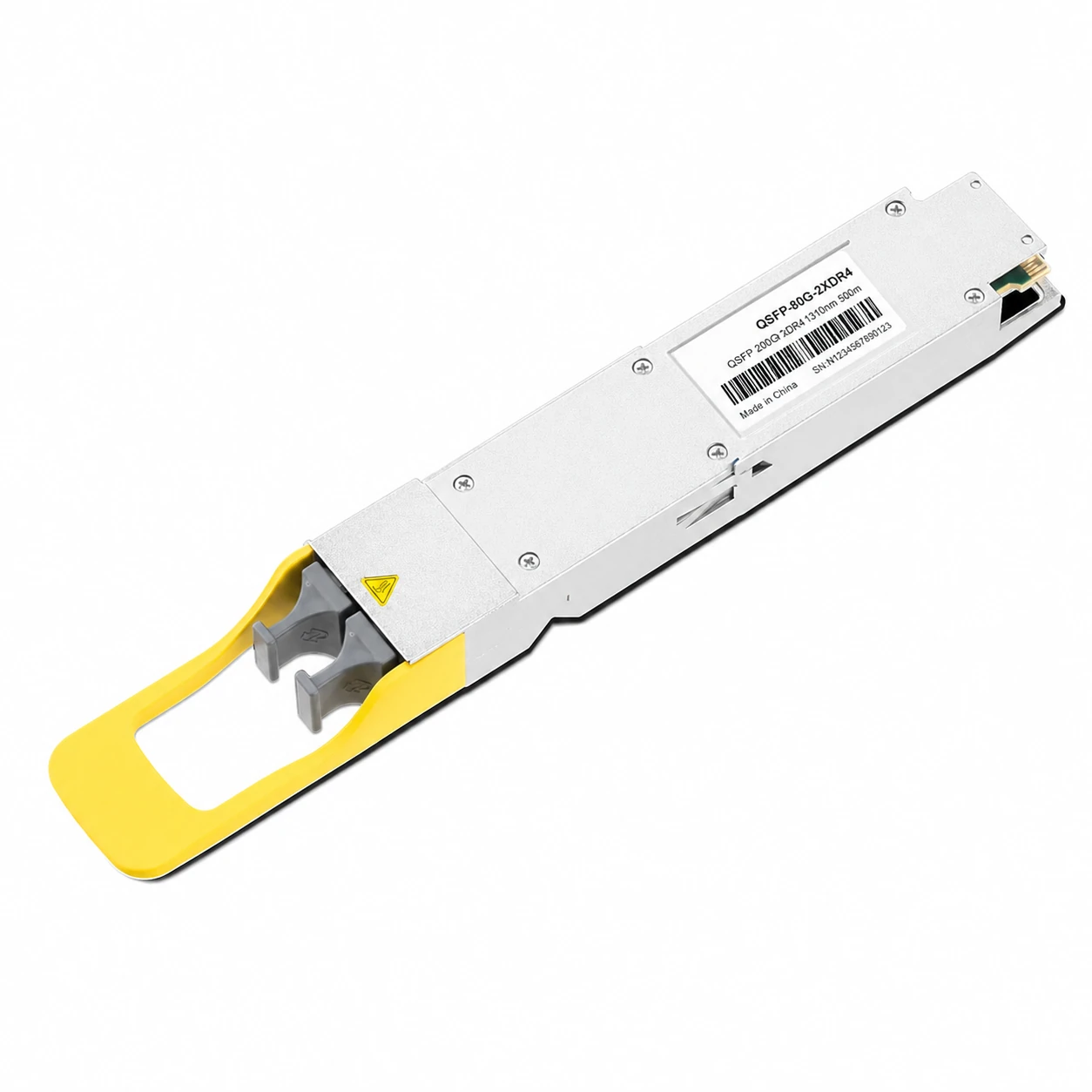
800G Twin-port OSFP 2xXDR4 2km Transceiver with 5 exact SKU options. Confirm the host, port and firmware before quotation.
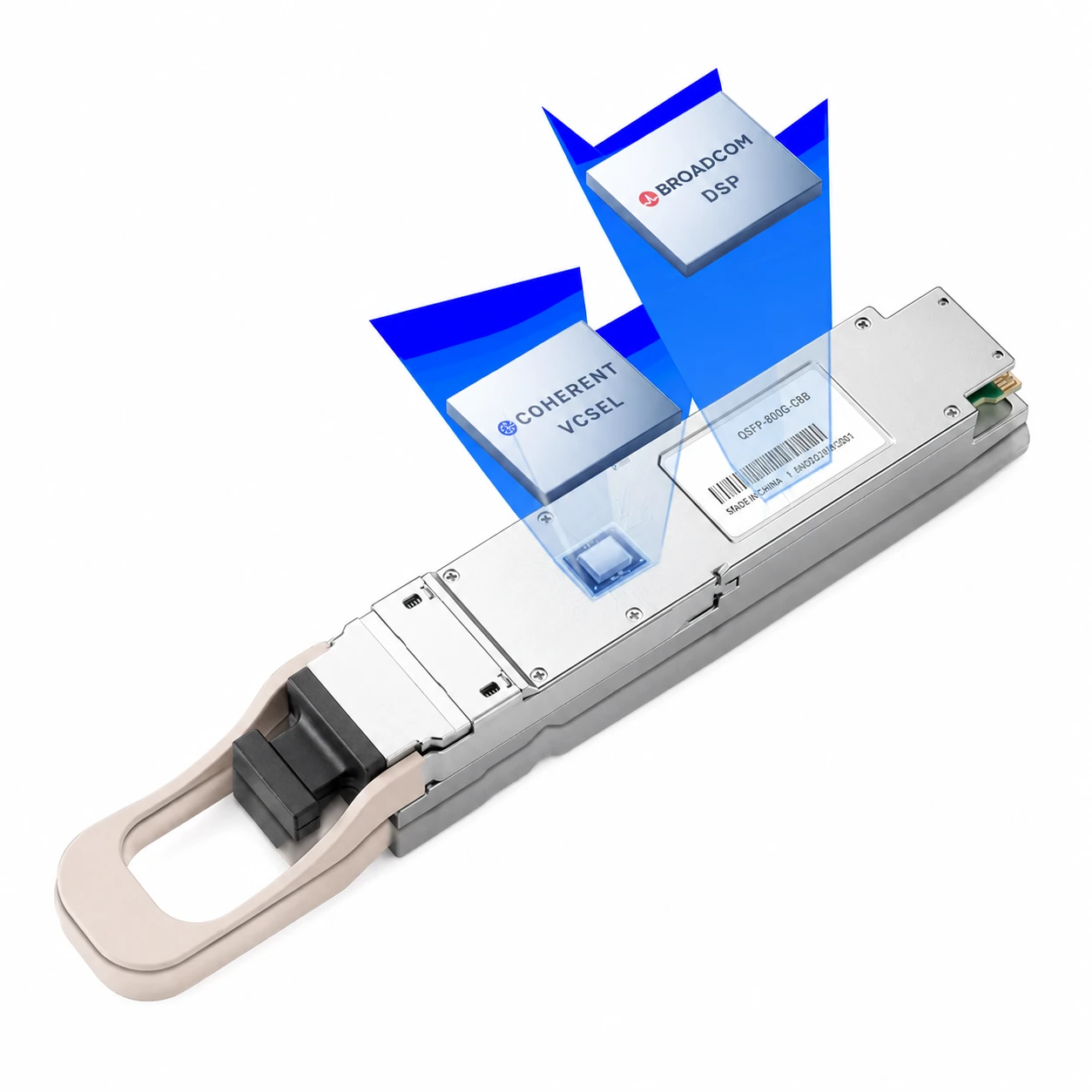
800G OSFP SR8 100m Transceiver with 6 exact SKU options. Confirm the host, port and firmware before quotation.
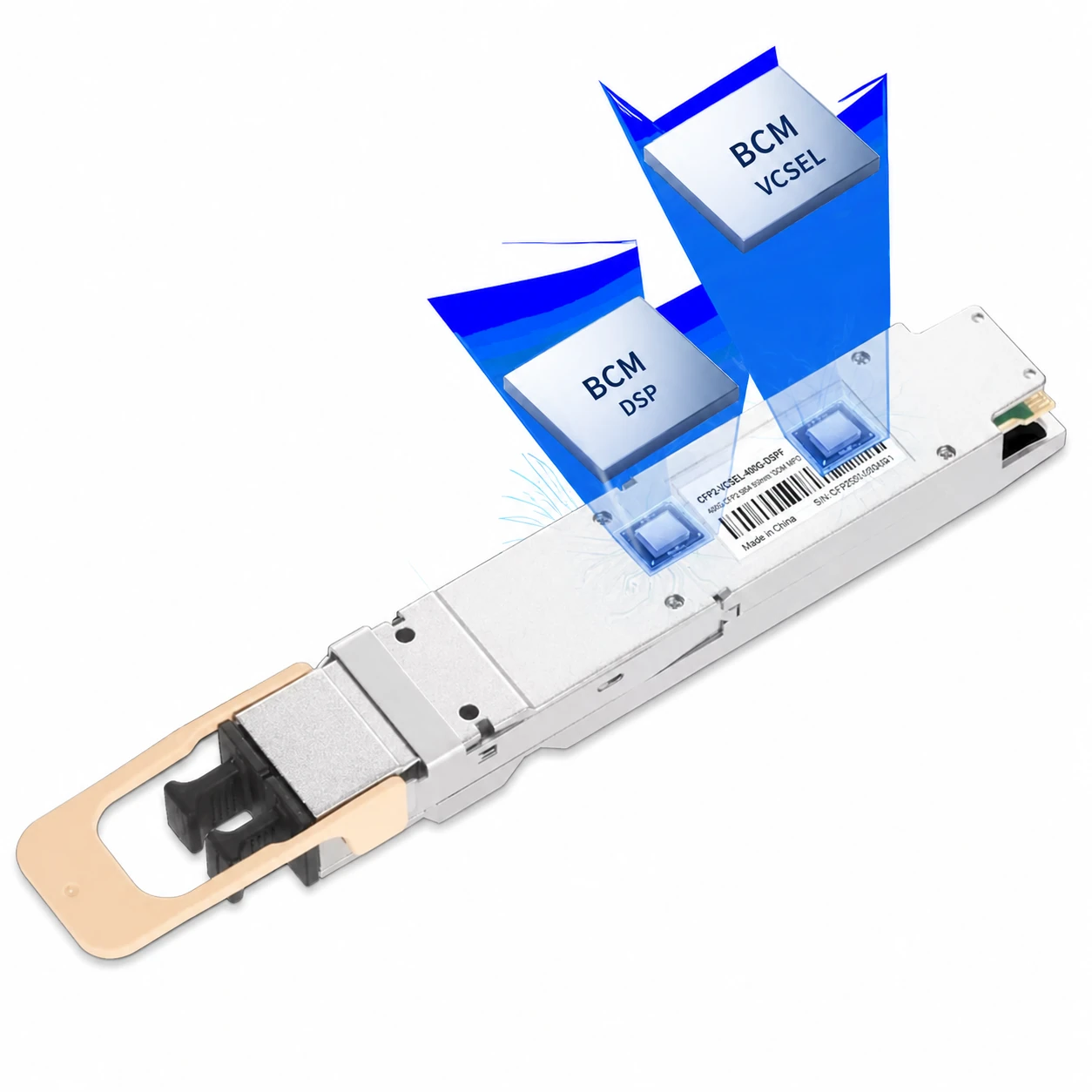
800G Twin-port OSFP 2xVR4 50m Transceiver with 7 exact SKU options. Confirm the host, port and firmware before quotation.
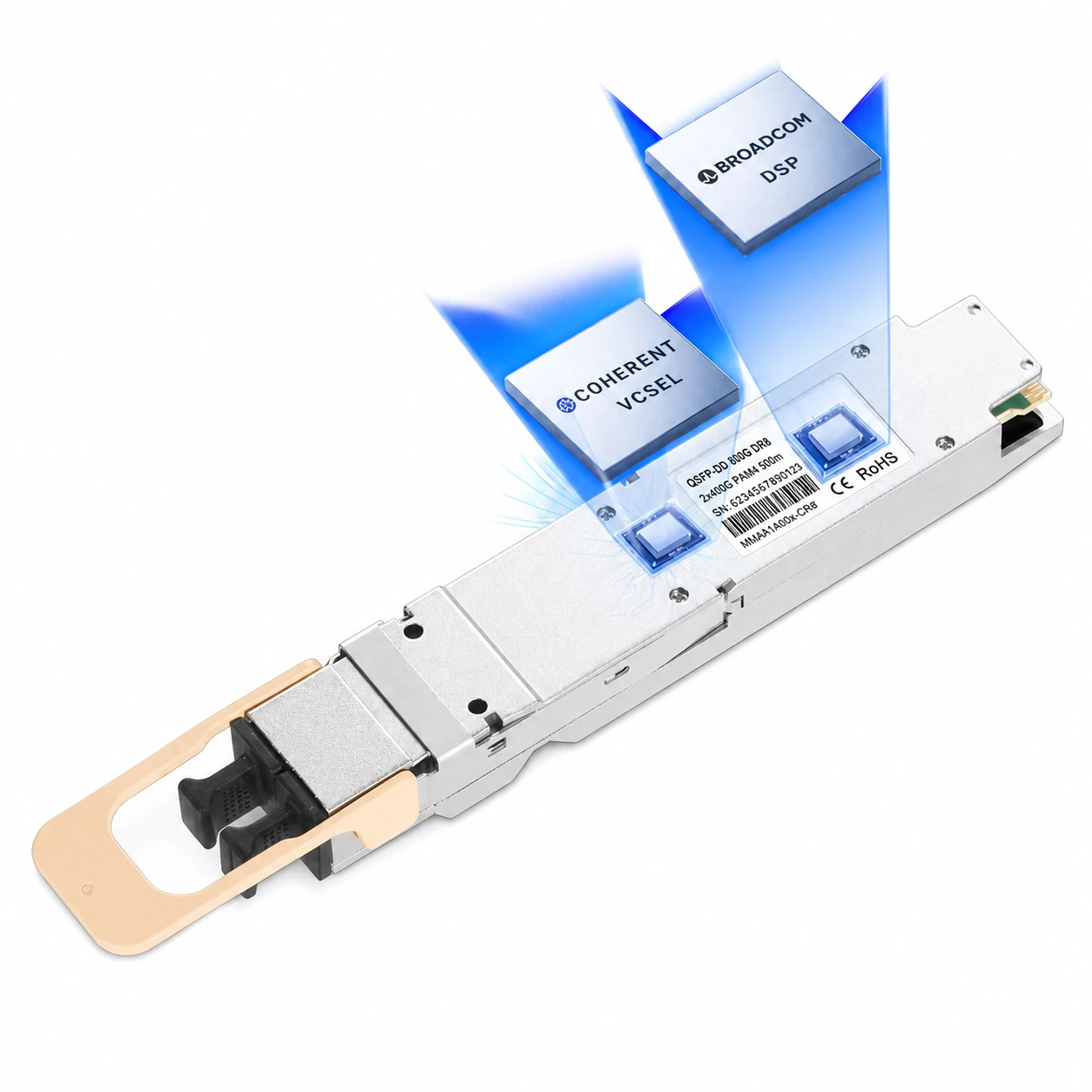
800G Twin-port OSFP 2xSR4 100m Transceiver with 6 exact SKU options. Confirm the host, port and firmware before quotation.
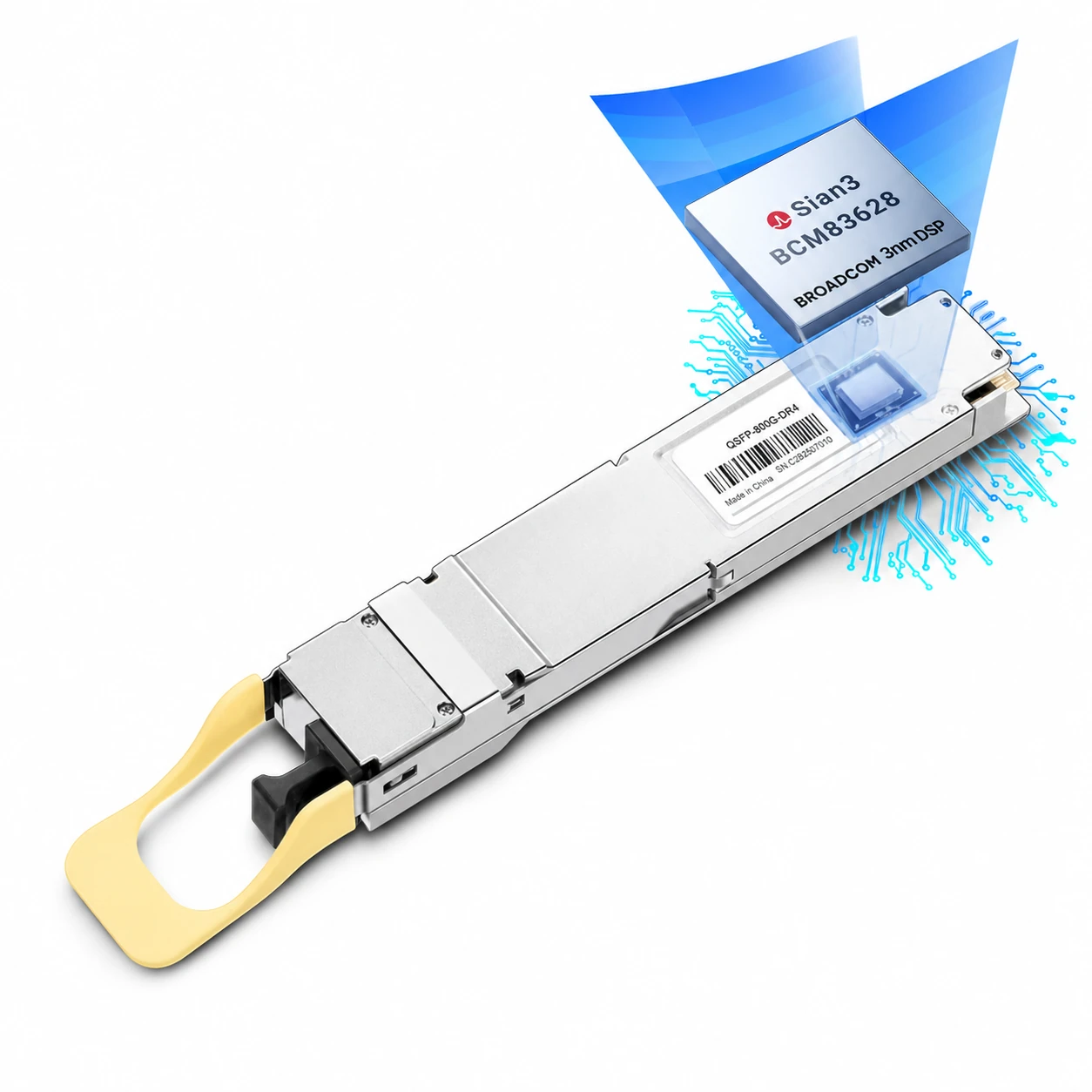
800G OSFP DR4 500m Transceiver with 2 exact SKU options. Confirm the host, port and firmware before quotation.
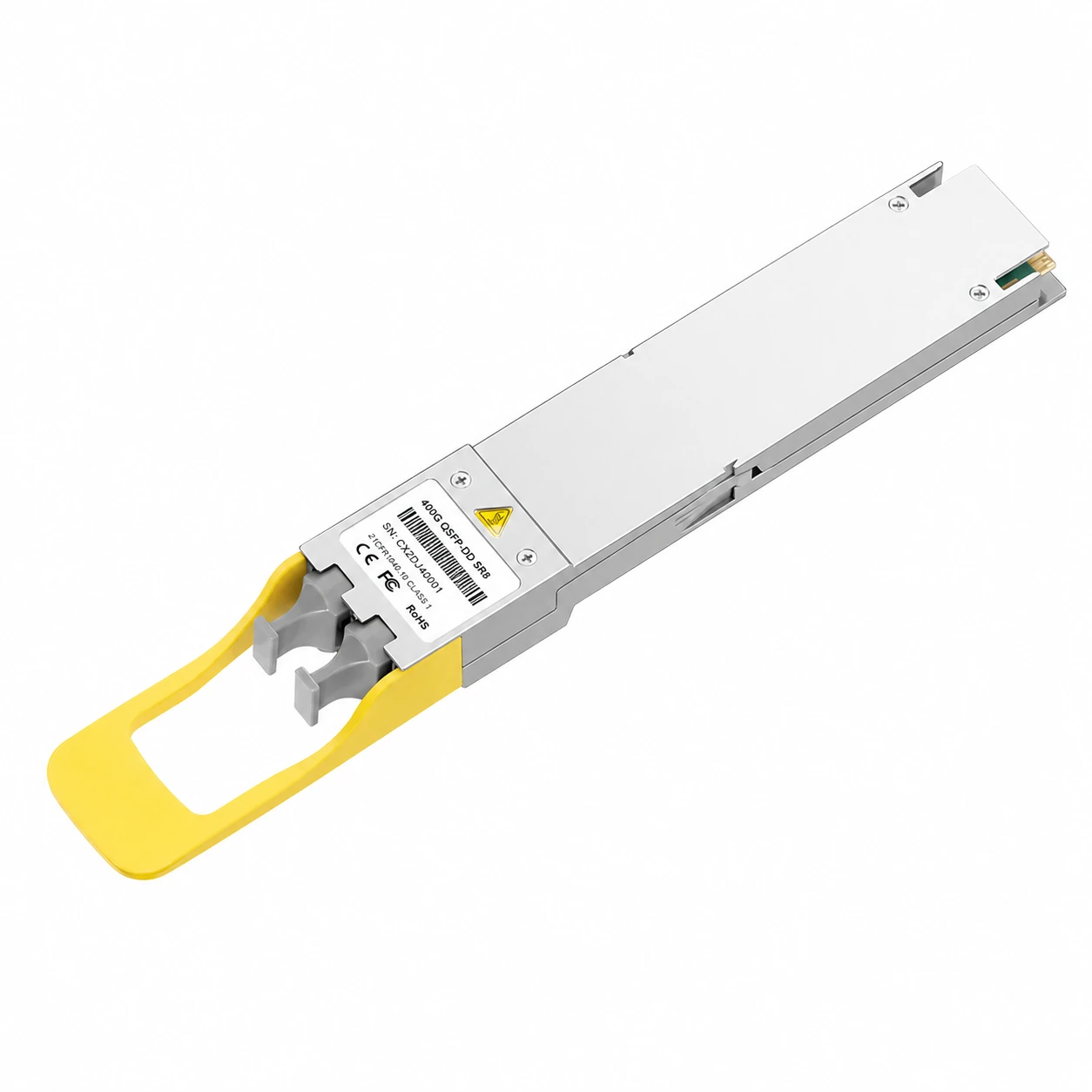
800G Twin-port OSFP 2xDR4 500m Transceiver with 1 exact SKU option. Confirm the host, port and firmware before quotation.
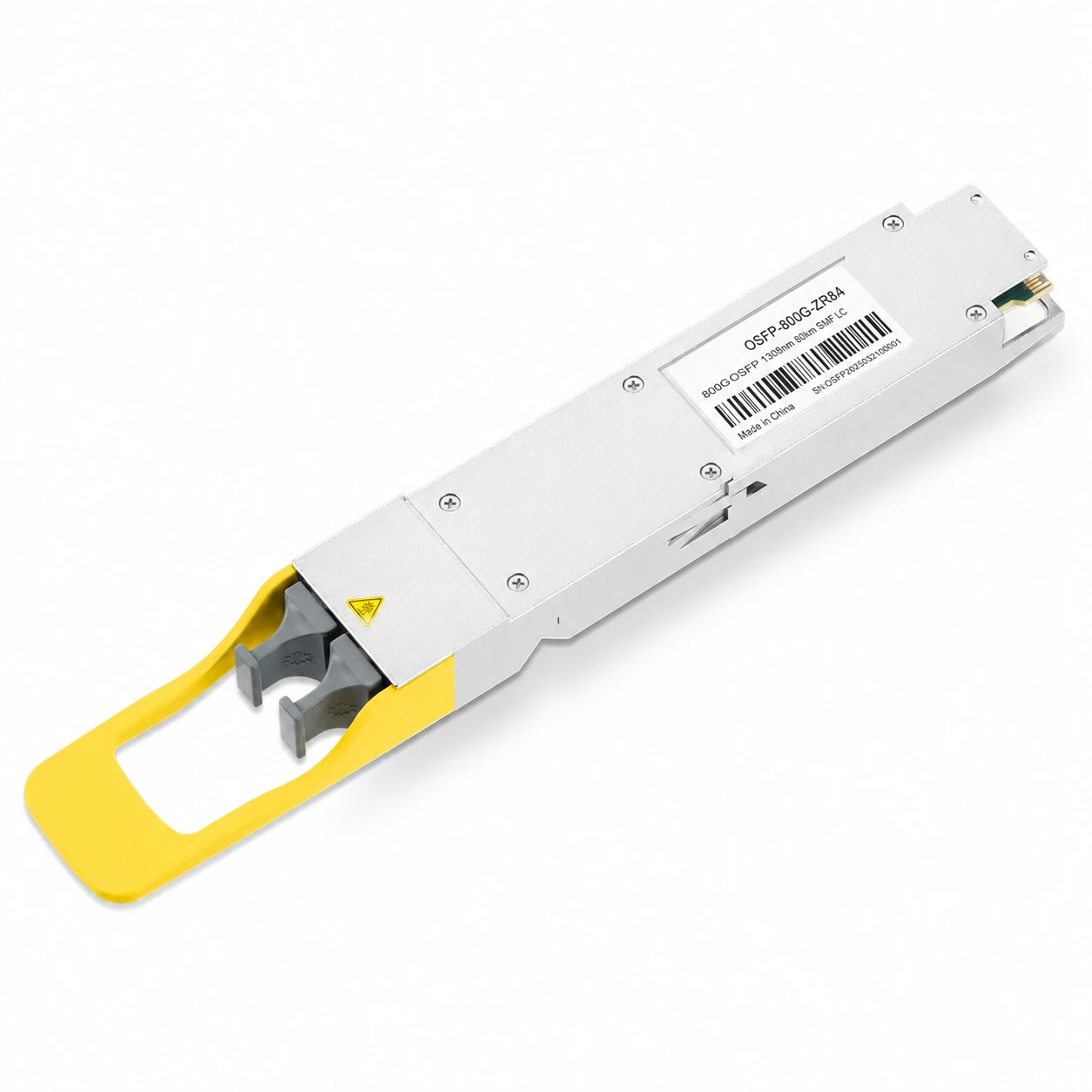
800G Twin-port OSFP 2xDR4 500m Transceiver with 6 exact SKU options. Confirm the host, port and firmware before quotation.
800G Twin-port OSFP 2xDR4 500m Transceiver with 1 exact SKU option. Confirm the host, port and firmware before quotation.
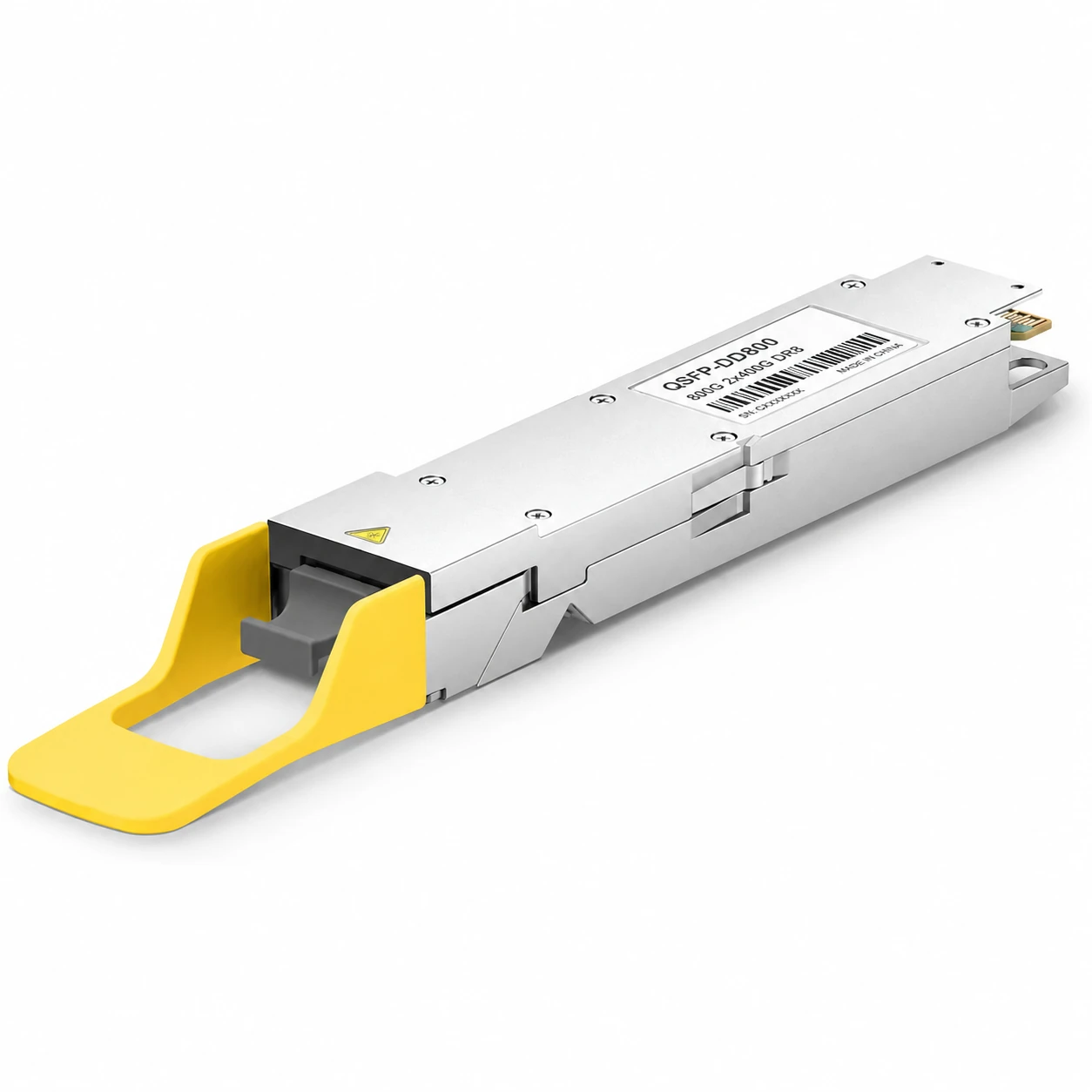
800G OSFP DR8 500m Transceiver with 6 exact SKU options. Confirm the host, port and firmware before quotation.
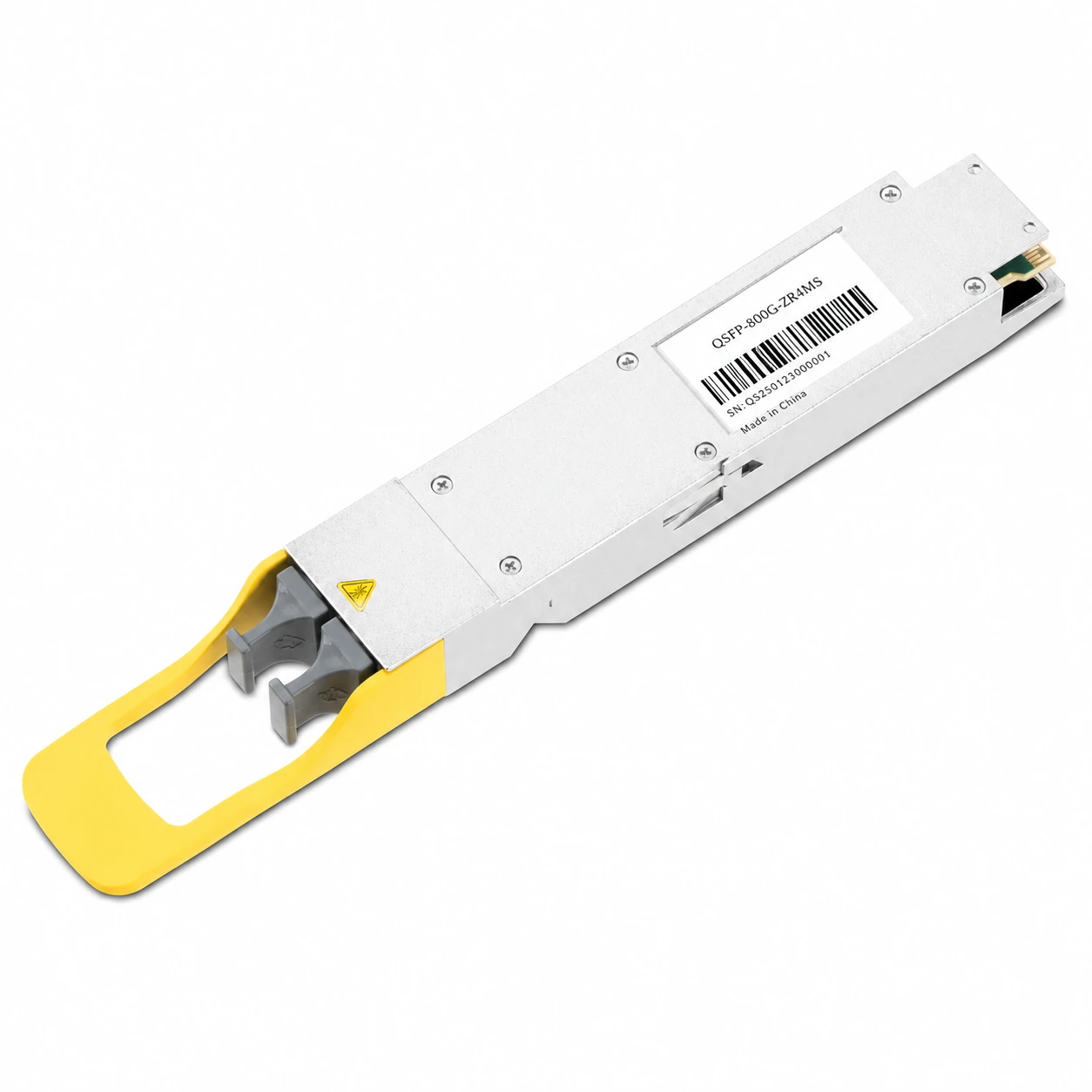
800G Twin-port OSFP 2xDR4S 100m Transceiver with 2 exact SKU options. Confirm the host, port and firmware before quotation.
27 product families available; page 1 of 2
Commercial overview
An 800G OSFP quotation is only useful when the mechanical top, host port, electrical lane mode and optical path are aligned. PhotonVerge organizes the available families so a buyer can compare DR8, 2xDR4, 2xFR4, FR4, SR8 and longer-reach candidates without treating those labels as interchangeable. Share the target switch or adapter, software release, peer optic, distance, fiber interface and quantity. The response can then identify the candidate SKU, open technical questions and the documents that can be supplied for review.
Product taxonomy
The family name describes a lane and optical arrangement, not a universal drop-in replacement. Confirm the selected SKU against the host and the installed fiber plant.
Parallel single-mode architecture for short data-center reaches; confirm MPO interface, lane mapping and peer optics.
Two four-lane optical groups for direct or breakout-oriented designs; confirm connector layout and endpoint mapping.
Dual duplex-fiber optical groups for designs that need two 400G-class optical paths from one OSFP.
Duplex single-mode 800G candidate for a lower-fiber-count path; confirm standard, reach and host support for the exact module.
Parallel multimode option for short-reach deployments where fiber grade and connector polarity are controlled.
Treat LR-class and other extended-reach options as link-budget projects, not simple distance-label substitutions.
Featured family routes
These links open exact family records; use the full browser for the complete set.
980-SIAY0-00XM00 OSFP-800G-DR4H 800G OSFP224 DR4H1 exact SKU options980-9IAT0-00XM00 MMS4A20-XM800 800G OSFP DR4 500m1 exact SKU options980-9I301-00NM00 OSFP-800G-2DR4XH 800G Twin-port1 exact SKU options980-9I510-00NS00 OSFP-800G-2xSR4H 800G Twin-port2 exact SKU optionsMMA4Z00-NS-FLT OSFP-800G-2SR4FH 800G Twin-port1 exact SKU options980-9I30G-00NM00 OSFP-800G-2DR4LH 800G Twin-port1 exact SKU optionsBuyer checklist
A matching speed and shell do not establish a working link. These checks should be closed before quantity pricing or a sample plan is finalized.
Record the switch, line card or adapter, software release and configured lane mode.
Confirm finned or flat construction and whether cooling is provided by the module or the host cage.
Verify host electrical lanes and signaling generation for the selected OSFP family.
Keep DR8, 2xDR4, FR4 and 2xFR4 lane mappings distinct.
Match MPO or LC, fiber count, polish, polarity and single-mode or multimode plant.
Use the installed route and link-loss budget, not distance alone.
Confirm FEC expectations and the exact optic or port at the far end.
Define required identification, alarms and monitoring fields for acceptance testing.
Decision matrix
Use this as a decision map. Published values on the selected SKU and host documentation remain controlling.
| Decision | Parallel-fiber path | Duplex-fiber path | Buyer confirmation |
|---|---|---|---|
| Fiber interface | Commonly MPO-based | Commonly LC-based | Existing panel, polarity and available fiber count |
| Typical schemes | DR8, 2xDR4 or SR8 | FR4, 2xFR4 or longer-reach variants | Required endpoint and optical lane mapping |
| Breakout planning | Often maps naturally to parallel lanes | May expose separate duplex optical groups | One 800G link or two lower-rate endpoints |
| Loss review | Connector and parallel-channel consistency matter | Mux/demux path and link budget matter | Measured or designed route loss |
| Mechanical review | OSFP top and cage cooling still apply | OSFP top and cage cooling still apply | Host mechanical and thermal specification |
Engineering boundary
A module may present the requested vendor identity and monitoring fields yet still fail if the host rejects the power class, port mode or firmware behavior, or if the peer optic uses a different optical lane map. PhotonVerge therefore treats host acceptance and optical interoperability as separate review steps. Final approval belongs to the buyer's sample and production-change process.
Application planning
The same 800G label can serve very different physical designs. Start with the topology and endpoint pair before selecting the optical scheme.
High-radix switch links where airflow, port density and optical lane mapping must be reviewed together.
Scale-out links that require consistent endpoint mapping, operational telemetry and a controlled sample plan.
800G paths where FEC, switch software and peer-end optics should be documented before deployment.
Longer or loss-sensitive routes that need a formal link-budget and fiber-plant review.
Supply coordination
The workflow is designed to expose assumptions before they become site issues.
Separate genuine-brand-only requirements from acceptable compatible alternatives and identify every endpoint.
Confirm thermal top, connector, fiber plant, route length and breakout mapping.
Record software, port mode, FEC, coding target and monitoring requirements.
Return a candidate family and SKU with open questions and available document scope.
Agree the host, test traffic, duration, counters and pass criteria before quantity rollout.
Confirm quantity, destination, requested schedule, warranty terms and shipping basis for the quotation.
Buyer validation
Instead of relying on anonymous endorsements, verify the exact item against the project acceptance plan. The available evidence set is confirmed per selected SKU.
Technical resources
Use the relevant guide to resolve a specific decision; product-specific evidence is confirmed for the quoted SKU.
Buyer questions
Provide the host manufacturer and model, line card or adapter, software or firmware release, port mode, required optical scheme, connector, fiber type, route length, peer optic, quantity, destination and preferred delivery schedule. If an OEM part number is available, include it and state whether only genuine branded supply is acceptable or a validated compatible alternative may be considered.
Do not assume they are. The top construction is connected to how the host platform removes heat, and mechanical fit alone does not establish an acceptable thermal design. Confirm the exact host cage, airflow model and platform documentation. The selected SKU should state the required construction, while the buyer's sample process should confirm temperature behavior under representative traffic and ambient conditions.
Not as a direct optical substitute. DR8 generally uses a parallel optical path, while 2xFR4 uses two multiplexed duplex paths. Connector type, fiber count, lane mapping, peer optics and breakout behavior differ. A migration may be possible only after redesigning the link endpoints and cabling plan. Compare the complete topology rather than matching the 800G rate alone.
No. Coding can help the host identify the module as the intended target, but acceptance can also depend on software, firmware, port configuration, power class, FEC, monitoring behavior and platform policy. Optical interoperability is a separate question involving the peer optic, wavelength plan and fiber path. A sample in the actual host remains the most reliable approval step.
Use the target host and peer optic, lock the software and port configuration, document FEC settings, run representative traffic, monitor temperature and diagnostic fields, and record pre-FEC and post-FEC counters for an agreed duration. Include insertion events and a controlled restart if they are part of operations. The acceptance record should identify the exact SKU and sample serials.
No. A collection page shows catalog candidates, not live inventory or a delivery commitment. Availability depends on the exact SKU, coding target, quantity, document requirements and requested schedule. Send the complete delivery address as well, because shipping method, duties or VAT handling and delivery timing cannot be assessed from the product name alone.
Procurement guide
An accurate shortlist starts with the two devices that must communicate. Record the host port on each side, the allowed form factor, software release, configured speed and whether the link is native 800G or a breakout. This prevents a familiar scheme name from masking an incompatible lane map.
OSFP deployments can use different heat-removal arrangements. The procurement record should therefore include the required top construction and any platform-specific mechanical expectation. A generic product photograph is not sufficient evidence of fit, and the highest-temperature operating case belongs in the sample plan.
DR8, 2xDR4, FR4, 2xFR4 and SR8 affect connector, fiber count, polarity, peer optics and migration work. Compare candidates only after the route and installed fiber plant are known. For longer paths, use a link budget that includes connector and splice losses plus an operating margin.
A useful sample approval defines traffic, duration, temperature observations, diagnostic fields, FEC counters and pass criteria. Retain the exact SKU, coding target and serial information with the result. This turns a compatibility claim into a repeatable purchasing control for later deliveries.
Structured B2B request
Send the host and peer-end details once. The request will be reviewed for form factor, thermal top, optical path, reach, connector, coding target and exact SKU before commercial terms are prepared.
No live-stock, lead-time or compatibility commitment is inferred from this page. The selected SKU and commercial terms are confirmed in the written offer.
B2B inquiry desk
Use the message field for part number, host model, firmware, reach, quantity, destination and required documents.